
Rehabilitation, reintegration of addicts into mainstream society to remain key focus – DC
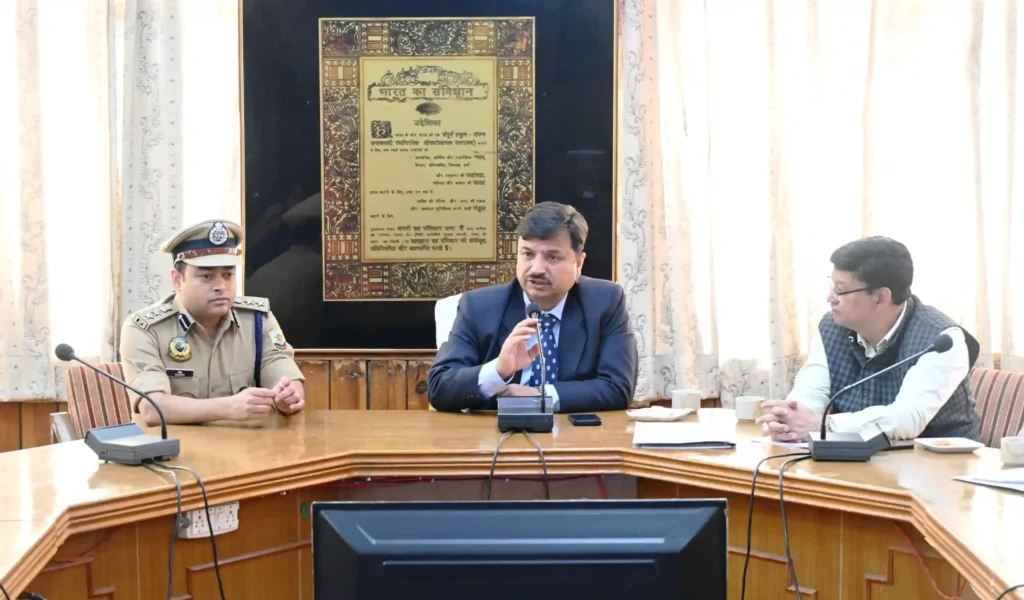
District administration steps up monitoring of de-addiction centres
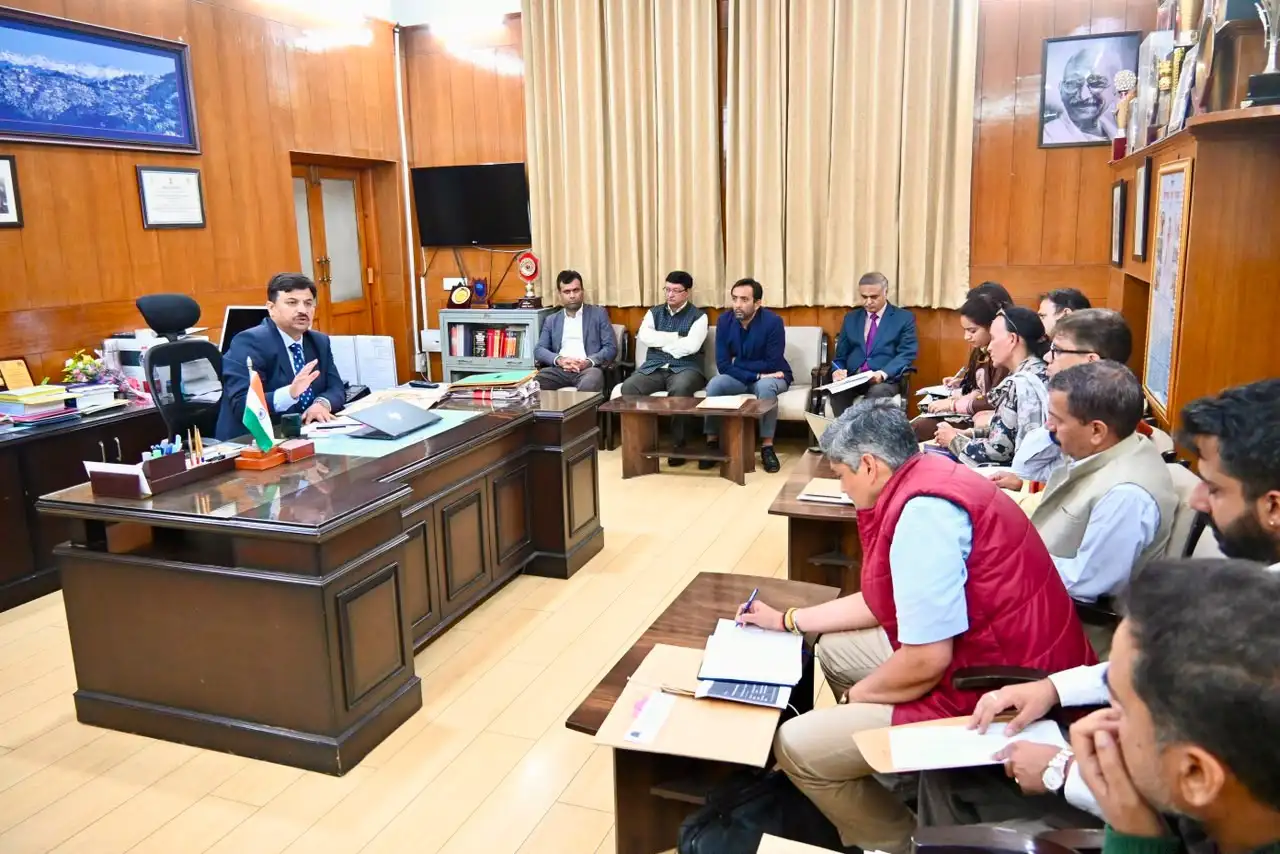
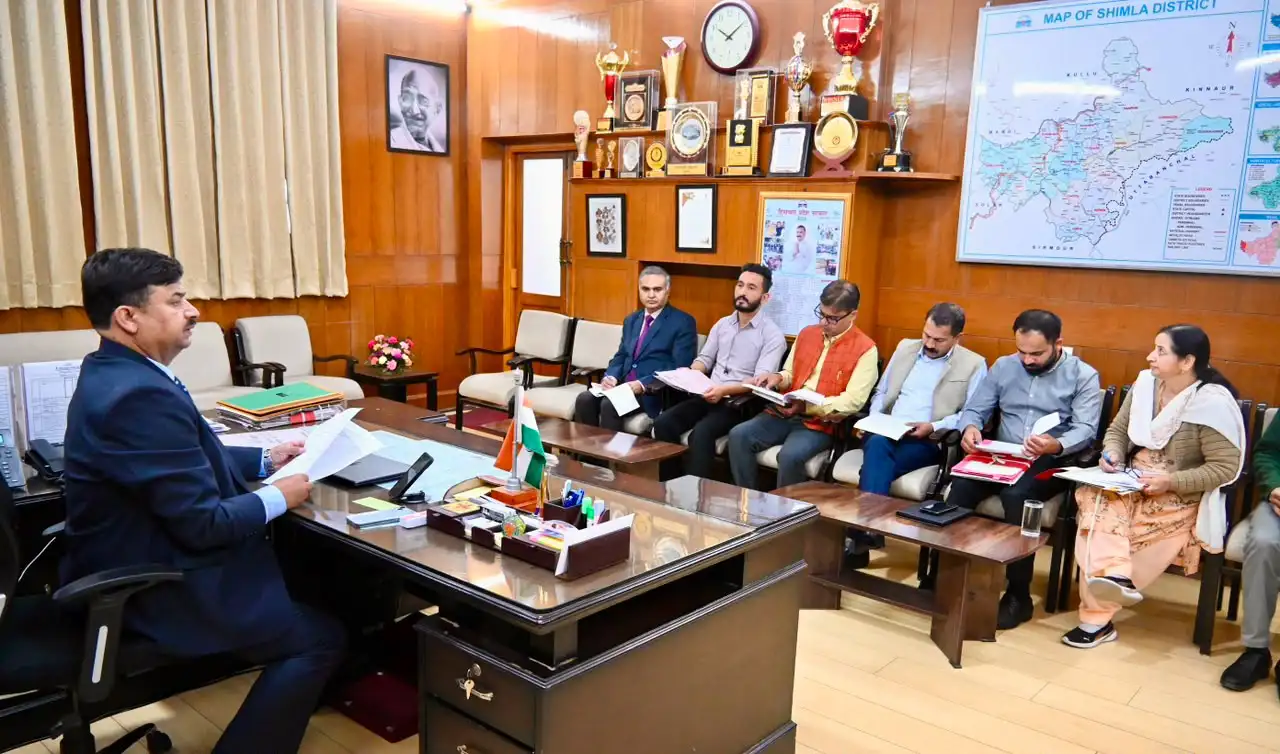
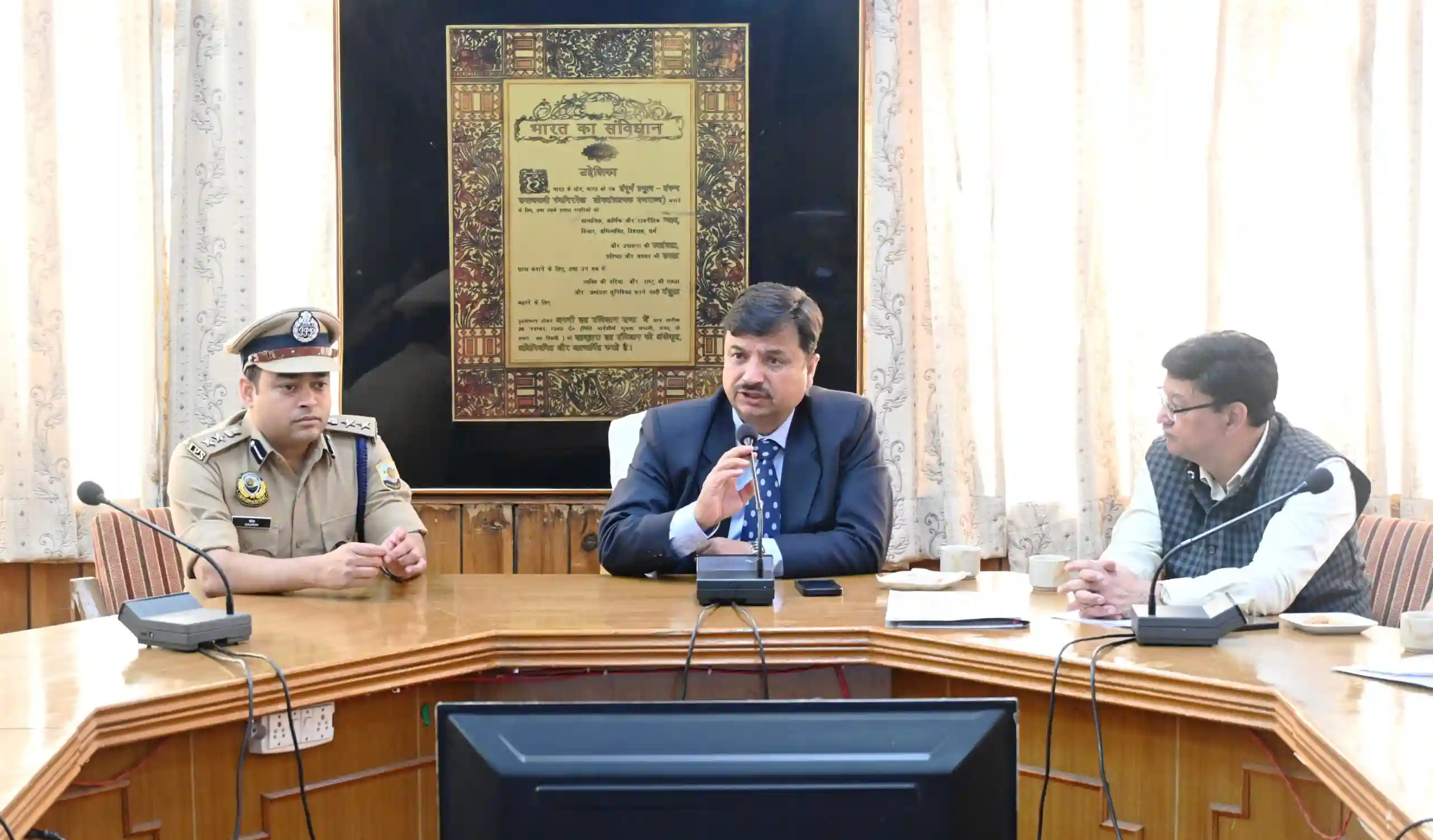
In a significant step towards strengthening the Shimla District Administration’s campaign against drug abuse, a meeting with operators and representatives of various drug de-addiction and rehabilitation centres functioning in the district was held at the Bachat Bhawan here today. The meeting was chaired by Shimla Deputy Commissioner Anupam Kashyap. Operators of de-addiction centres raised various issues and demands before the administration.
*Compliance with norms mandatory*
Kashyap said stakeholders working against drug abuse faced several challenges and that de-addiction and rehabilitation centres played an important role in bringing positive change in people’s lives.
He made it clear that strict compliance with prescribed rules and standards for running such centres was mandatory and any lapse would invite action as per law.
“De-addiction centres are not businesses but an important means of social service,” the DC said, adding that helping people overcome addiction and return to a healthy and dignified life was a challenging task. He stressed the need for a positive, sensitive and humane approach towards children, youth and other persons affected by substance abuse.
*Complaints of drugs being supplied at centres a serious concern*
The Deputy Commissioner expressed serious concern over complaints of drugs being made available to persons undergoing treatment at de-addiction centres. He directed the centre operators to ensure that there was no scope for such practices at institutions whose primary objective was to help people overcome addiction. A safe and completely drug-free environment must be ensured at all centres, he said.
“Nothing is more important to parents than the lives of their children. They send their children to de-addiction centres with the hope of saving their lives and helping them return to normal life. This places an even greater responsibility on the centres,” Kashyap said.
*Rehabilitation and reintegration equally important*
The DC said the fight against drug abuse could not be confined to action against drug peddlers. Treatment, counselling, rehabilitation and reintegration of affected persons into their families and society were equally important. “Rehabilitation is not the end of treatment — it is the beginning of a new life,” he said. He emphasised the need for sustained efforts even after treatment to reconnect recovering persons with their families, education, skill development, employment and society, so that they could avoid relapse and lead a normal life with dignity and self-respect.
*Minimum standards for de-addiction centres*
Chief Medical Officer Dr Yashpal Ranta briefed the participants about the minimum standards prescribed for de-addiction and substance-use disorder treatment centres.
Dr Kushal Verma said treatment facilities had been broadly classified into three categories. Category I comprises short-term treatment and detoxification centres providing care for less than one month, including management of overdose, withdrawal, craving and relapse. Category II includes long-term treatment and rehabilitation centres providing care for one month or more, including post-withdrawal treatment, craving and relapse management, counselling and vocational rehabilitation. Category III comprises treatment centres that also provide care for persons suffering from substance-use disorders along with primary psychiatric illnesses.
*Trained doctors, counsellors essential*
The availability of trained doctors and, wherever required, psychiatrists at treatment centres is mandatory. In cases of overdose, round-the-clock availability of a doctor must be ensured. For women and minors, on-call services of a gynaecologist and paediatrician, respectively, are required. At least one full-time counsellor must be available for every 30 patients. A counsellor should possess a graduate qualification in clinical psychology, psychology or social work, along with at least six months’ experience in de-addiction services.
*Patient registration and records mandatory*
Every patient must be registered and provided a unique identification number. Centres are required to maintain records relating to patient assessment, written consent, doctors’ prescriptions, medicines, psychosocial interventions and discharge summaries. Records may be maintained manually or digitally, but patient confidentiality must be ensured in accordance with the provisions of the Mental Healthcare Act, 2017.
*No admission without medical, psychiatric assessment*
As per the prescribed protocol, no person shall be admitted to a de-addiction treatment centre without medical and psychiatric assessment. The assessment report must form part of the patient’s records.
Written consent from the patient or a first-degree relative is mandatory for admission, and the process must be carried out in accordance with applicable legal provisions.
*WHO protocols for treatment*
The meeting stressed adoption of treatment protocols recommended by the World Health Organization (WHO) for detoxification, craving management and long-term relapse prevention. Rehabilitation centres run by non-governmental organisations must also comply with applicable legal provisions and prescribed standards. The centres must ensure gender- and age-sensitive arrangements according to the needs of children, women, senior citizens, transgender persons and other vulnerable groups.
Where services are provided to children in need of care and protection, such services must comply with the Juvenile Justice (Care and Protection of Children) Model Rules, 2016, and guidelines issued by the government from time to time.
*Focus on safety, hygiene and grievance redressal*
The centres must provide sanitation staff, security personnel and attendants as per prescribed norms. Laboratory services must also be available either in-house or through outsourcing. At the time of admission, patients must be adequately informed about their rights, available services, rules, fees and the grievance-redressal mechanism. This information must also be prominently displayed at the centres.
*Centres asked to improve facilities*
Kashyap directed all centre operators to undertake necessary improvements in their facilities, treatment and counselling systems, staff responsibilities, record maintenance, security arrangements and overall quality of patient care. He said de-addiction centres in Shimla district should set an example that could be appreciated across the state. “The district administration will pay special attention to institutional monitoring of these centres and the quality of rehabilitation services being provided,” he said.
*Collective effort needed for drug-free society – SSP*
Senior Superintendent of Police Gaurav Singh said the fight against drug abuse could succeed only when strict action against drug peddlers was accompanied by equally serious efforts towards treatment and rehabilitation of affected persons. He called upon all concerned departments, de-addiction centres, health professionals, educational institutions, families and civil society to actively participate in the campaign to build a drug-free society. He further warned that if drug trafficking or supply was found operating from a de-addiction centre, a case under the Narcotic Drugs and Psychotropic Substances (NDPS) Act would be registered against the owner of the centre. Such offences carry a provision of imprisonment of up to 10 years.
-०-
Samagra Sikhsha