
Periodic auditing of government. institutions essential for transparency & good governance: Governor
SHIMLA 27 November, 2026
· Audit must drive governance reforms, economic growth & social justice: Governor
· Financial discipline, transparency and institutional accountability key to realising PM Modi’s vision of Viksit Bharat-2047
· Calls for outcome-based auditing, technology-driven reforms and sustainable development in Himalayan states
· Advocates greater financial transparency, social auditing and public participation in local governance
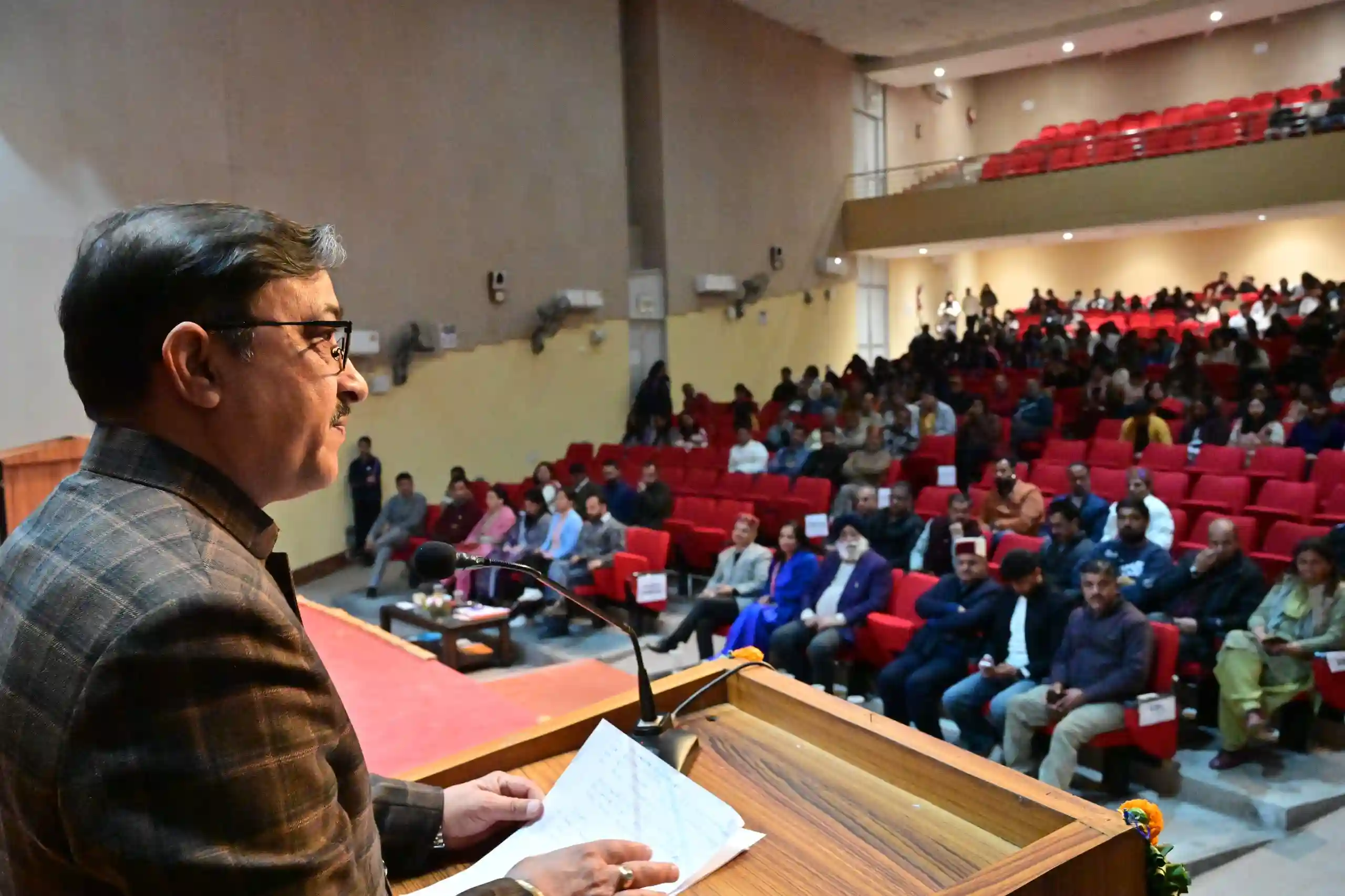
Governor Kavinder Gupta today emphasised that auditing must go beyond the conventional examination of government revenue and expenditure and emerge as a powerful instrument of good governance, economic growth and social justice.
Addressing the Audit Week–2026 celebrations in Shimla, the Governor called for greater emphasis on outcome-based auditing to ensure that every rupee spent on public welfare and development initiatives brings a tangible improvement in the lives of citizens. He said that the strength of a democracy was determined not merely by its economic progress but also by the credibility of its institutions, transparency in governance and accountability towards citizens. He described the Comptroller and Auditor General of India (CAG) as a guardian of public finances, democratic values and public trust.
‘Every rupee in the government treasury represents the hard work, trust and aspirations of the people. Ensuring its judicious utilisation is not merely an administrative obligation but a moral and national responsibility,’ he said.
Highlighting Prime Minister Narendra Modi’s vision of ‘Minimum Government, Maximum Governance’, the Governor said that initiatives such as Digital India, Direct Benefit Transfer (DBT), Government e-Marketplace (GeM) and the Public Financial Management System (PFMS) were important steps towards strengthening financial transparency, administrative efficiency and citizen-centric governance. He asserted that audit institutions would play a significant role in realising the Prime Minister’s vision of Viksit Bharat@2047, stressing that a developed nation must be characterised not only by a robust economy but also by financial discipline, transparent governance, accountable institutions and citizens’ confidence in the system.
The Governor lauded the achievements of the Indian Audit and Accounts Department, noting that during 2025-26, the CAG approved 249 audit reports for presentation before Parliament and State Legislatures and completed 8,793 financial certification audits, while audit interventions resulted in financial recoveries exceeding Rs 4,251 crore. Emphasising the need to embrace technological advancements, Kavinder Gupta advocated greater adoption of Artificial Intelligence, Big Data Analytics, GIS Mapping and digital tools to strengthen auditing mechanisms, facilitate early identification of financial risks and improve institutional efficiency.
He appreciated the Himachal Pradesh Audit Office for adopting data-based auditing and acknowledged the contribution of the National Academy of Audit and Accounts, Shimla, in preparing professionally competent officers to meet emerging challenges in public financial management.
Highlighting the peculiar geographical and developmental challenges of Himalayan states, the Governor stressed the importance of prudent financial management and sustainable utilisation of public resources. He called for assessing expenditure on disaster management, rehabilitation, infrastructure, tourism, horticulture, healthcare and education from the perspective of long-term public welfare and ecological sustainability. He particularly emphasised the need to ensure that public infrastructure is durable, disaster-resilient and beneficial to future generations. He also advocated greater financial transparency, social auditing and public participation in Panchayati Raj Institutions and Urban Local Bodies.
The Governor urged government departments to view audit observations as opportunities for systemic improvement rather than merely as identification of shortcomings and called for timely and constructive action on audit recommendations. Exhorting audit officers to uphold the highest standards of independence, impartiality and integrity, Kavinder Gupta urged them to discharge their responsibilities as custodians of public trust and active contributors to nation-building.
‘Position confers authority, integrity earns respect, and dedication to duty creates history,’ the Governor remarked, calling upon officers to contribute towards building an India where transparency defines governance, accountability shapes institutional culture, financial probity remains a priority and public welfare guides every decision.
The Governor extended his greetings to the officers and employees of the Indian Audit and Accounts Department and appreciated their dedication and contribution to strengthening democratic governance and nation-building.
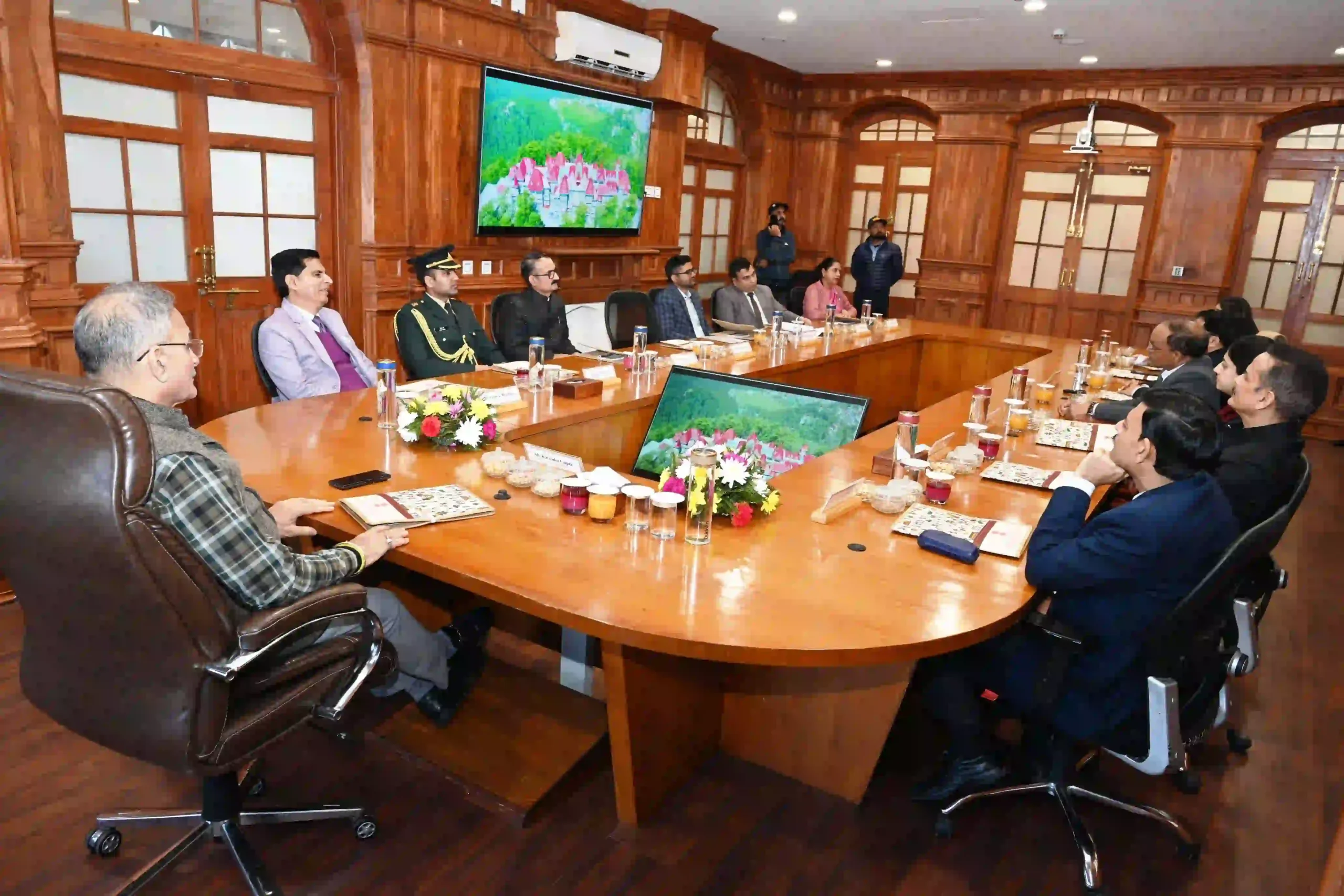
The Principal Accountant General (Audit), Purshotam Tiwari, honoured the Governor on the occasion. Director General, National Academy of Audit and Accounts, S. Alok, welcomed the Governor and briefed him on the responsibilities, functioning and key activities of the audit department. He also highlighted the rich legacy and significant contribution of the Indian Audit and Accounts Department.
Through various presentations, the Governor was apprised of the activities, functioning and working mechanisms of the Audit and Accounts Department.
Later, the Governor visited the ‘Himkara’ store, where products crafted by inmates were displayed and sold.
Secretary to the Governor Sandeep Bhardwaj and senior officers from all three offices of the Indian Audit and Accounts Department were also present on the occasion.
Samagra Sikhsha