
All eligible women in Bara Bhangal to receive Rs. 1,500 per month: Chief Minister
SHIMLA 27 June, 2026
· MSP for naturally grown rajmah
· Generator sets to be installed for 24-hour power supply
· Government to provide incentives to school children; Nearby schools to be designated as nodal schools
· Bara Bhangal to be developed as an eco-tourism destination
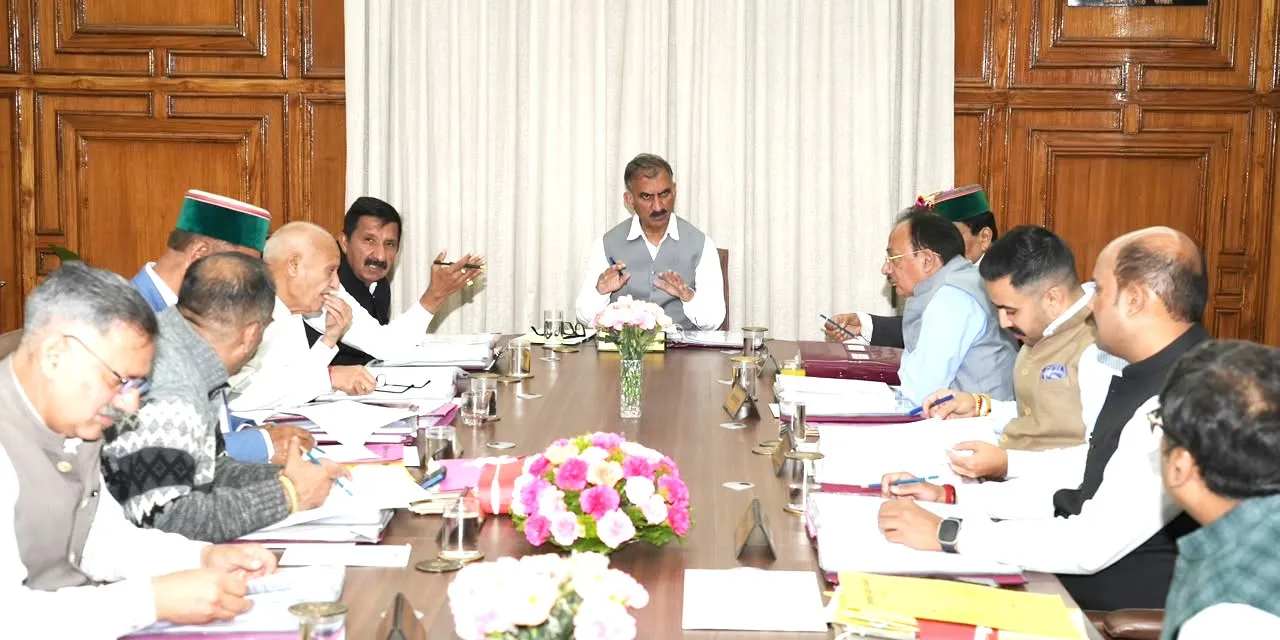
Chief Minister Thakur Sukhvinder Singh Sukhu on Saturday visited Bara Bhangal, one of the most remote regions of Kangra district. The Chief Minister interacted with the local people to understand their problems and the challenges they face in their daily lives.
The Chief Minister will stay overnight in Bara Bhangal, becoming the first Chief Minister to do so as the previous Chief Ministers, though visited Bara Bhangal but none stayed overnight.
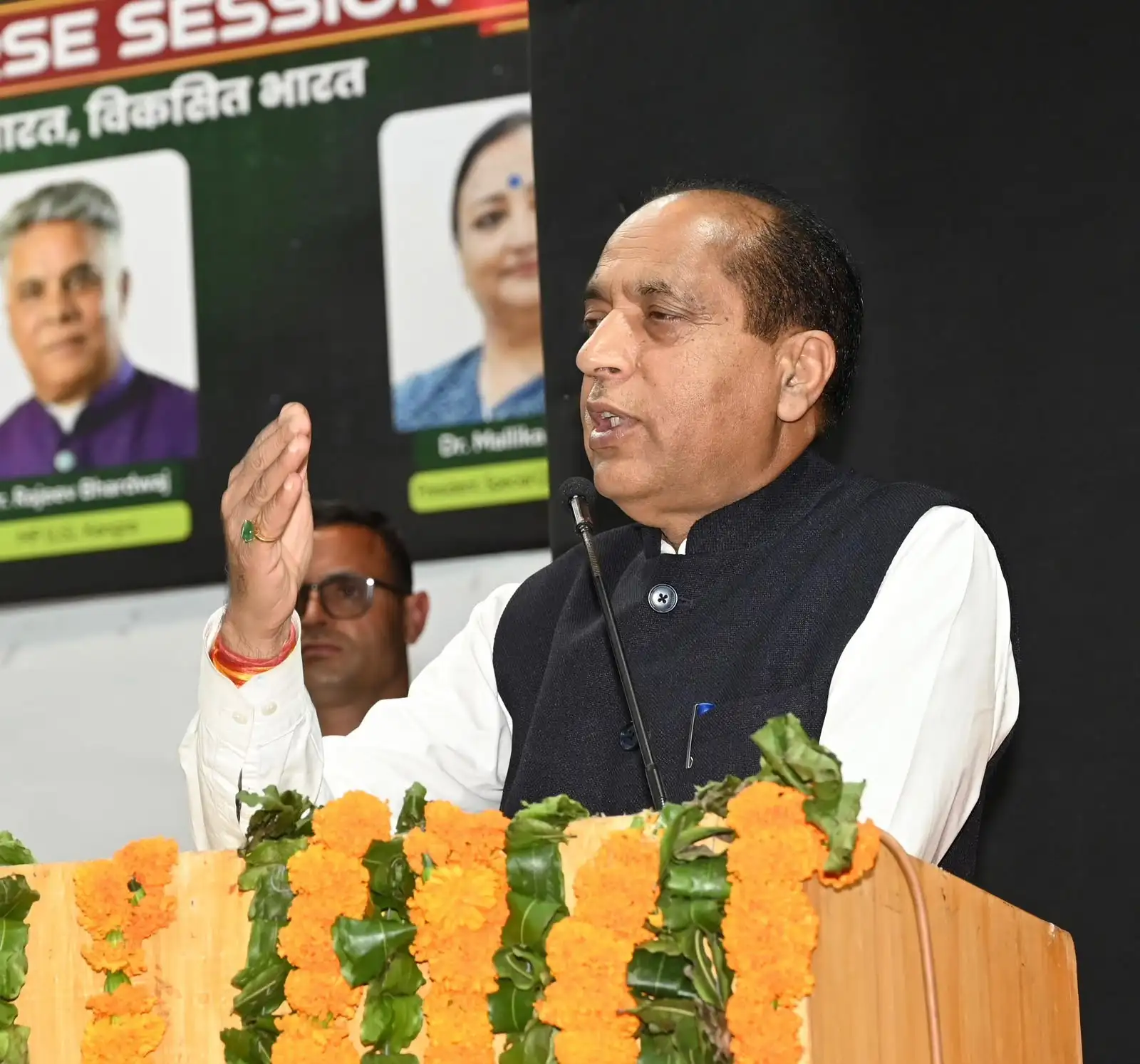
After listening to the concerns of the local residents, the Chief Minister made six major announcements. During the public interaction, he announced that all eligible women in Bara Bhangal would receive Rs. 1,500 per month under the Indira Gandhi Pyari Behna Sukh Samman Nidhi Yojana.
To ensure uninterrupted electricity, generator sets would be installed to provide 24-hour power supply in the region. He also announced that school-going children from Bara Bhangal would receive incentives to encourage them to continue their education. The government would designate nearby schools as nodal schools so that children from Bara Bhangal can pursue their education in areas such as Bir and other nearby locations.
The Chief Minister directed officials to prepare a comprehensive plan to develop Bara Bhangal as an eco-tourism destination. He also announced that the state government would provide a Minimum Support Price for rajmah grown through natural farming in the region.
Sh. Sukhu instructed Agriculture department officers to connect the people of Bara Bhangal with natural farming initiatives and ensure that they receive all necessary support and facilities. He also made an important announcement for the region’s sheep rearers, stating that the government would procure mutton from them.
Samagra Sikhsha