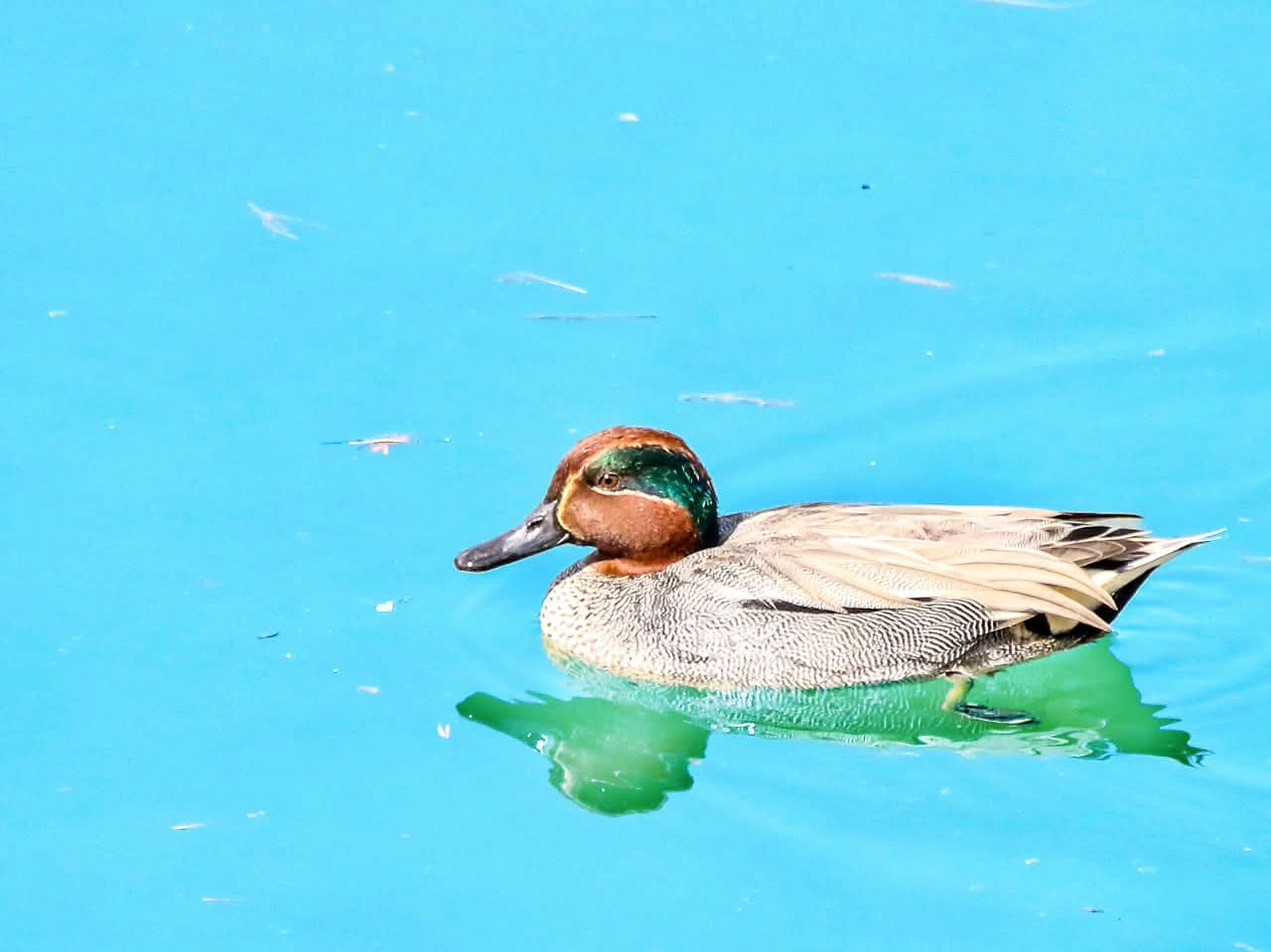

Kuppa Dam in Kinnaur’s Sangla Valley Records 16 Bird Species, Highlights Potential for Birdwatching

Sangla, October 21: Kuppa Dam in Himachal Pradesh’s Kinnaur district is emerging as an important habitat for resident and migratory birds, with a recent birdwatching exercise by the Sangla Wildlife Range team documenting 16 species in and around the reservoir.
The five-hour observation exercise was conducted from 9 am to 2 pm across the dam and nearby potential bird habitats. The team included forest guards Gopal Negi and Santosh Thakur, Van Mitra Alpana and birder Tenzin Negi. The observations highlighted the ecological importance of the reservoir and the surrounding riverine habitats in the Sangla Valley.
The 16 recorded species included waterbirds such as Eurasian Coot, Common Teal, Garganey, Great Cormorant, Northern Shoveler, Ferruginous Duck, Mallard, Northern Pintail and Gadwall. Other species observed were Ibisbill, Black-winged Stilt, White-capped Redstart, Plumbeous Water Redstart, Brown Dipper, Common Sandpiper and Green Sandpiper.
Ashok Negi, IFS, Deputy Conservator of Forests, Sarahan Wildlife Division, said migratory birds arrive in the area around October and remain until March or April. He said the Sangla Wildlife Range teams had been directed to continue monitoring Kuppa Dam and other locations to identify and count bird species and strengthen conservation efforts.
Located amid the scenic landscape of Sangla Valley, the dam and its adjoining riverbanks provide potential feeding, resting and nesting habitats for different bird species. Water bodies such as these can play an important role in supporting migratory birds during seasonal movements.
The observations also underline the potential of Kinnaur for birdwatching, nature photography and responsible nature-based tourism. Regular surveys could help document seasonal bird movements, habitat requirements and changes in species presence, contributing to a better understanding of the region’s biodiversity.
Involving local youth in bird identification, nature guiding and biodiversity documentation could also create livelihood opportunities while strengthening community participation in conservation.
The wildlife team emphasised the importance of protecting natural habitats by keeping water bodies clean, preventing plastic and other waste from entering aquatic areas, and avoiding disturbance to birds. Greater awareness among local residents, visitors and nature enthusiasts can help safeguard the ecological value of Kuppa Dam.
The latest observations represent a step towards documenting Sangla Valley’s avian diversity and highlight the need for continued monitoring and habitat conservation. With its Himalayan landscape, the Baspa River environment and diverse natural habitats, the region holds considerable promise for both biodiversity research and responsible birdwatching tourism.
Samagra Sikhsha