
Central Govt.’s healthcare initiatives transforming India’s healthcare landscape: Kavinder Gupta
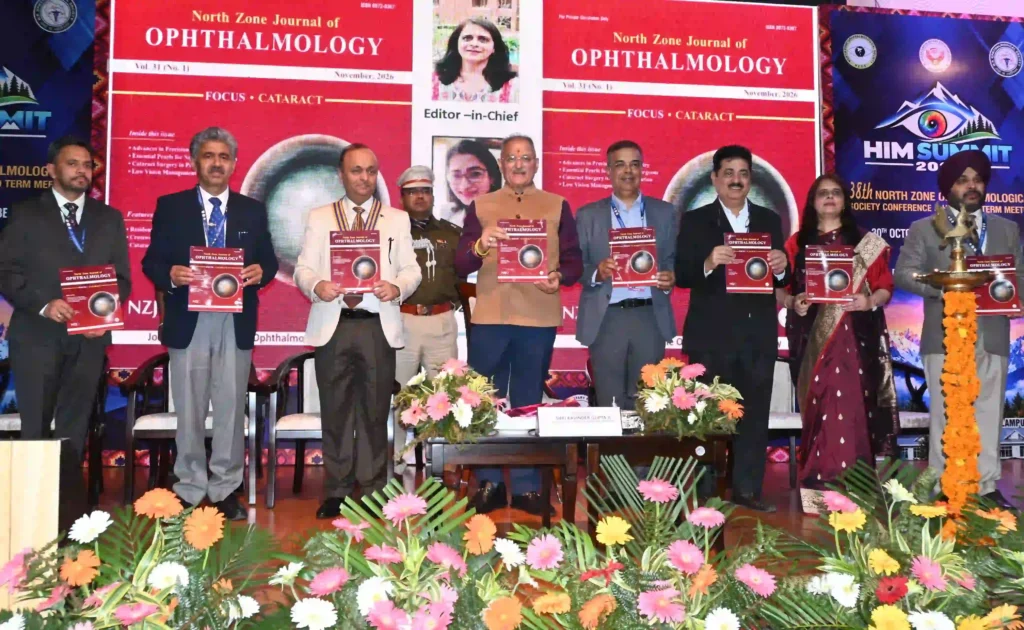
SHIMLA 30 October, 2026
· Attends 38th annual conference of North Zone Ophthalmological Society at Palampur
· Says Ayushman Bharat, other Central initiatives strengthening healthcare access and affordability to the last mile
· Calls upon healthcare institutions and specialist societies to strengthen eye-care services in remote areas of Himachal Pradesh
· Hails Centre’s allocation of Rs 415 crore for 320 additional PG medical seats in Himachal Pradesh
· Urges participating delegates and medical professionals to visit Himachal Pradesh’s revered Shakti Peeths
India’s healthcare sector has witnessed significant transformation in recent years under the visionary leadership of Prime Minister Narendra Modi, with the Central Government introducing several landmark initiatives to make quality healthcare more accessible, affordable and inclusive. The expansion of healthcare infrastructure, wider health insurance coverage, strengthening of primary healthcare services and integration of digital technologies have significantly improved healthcare delivery, particularly in rural and underserved areas.
This was stated by Governor Kavinder Gupta while addressing the 38th annual conference of the North Zone Ophthalmological Society (NZOS) and the annual meeting of the Himachal Pradesh Ophthalmological Society at Palampur in Kangra district, today. He said the ongoing transformation in the healthcare sector was not merely about expanding medical facilities, but about ensuring equitable access to quality healthcare and placing the well-being of citizens at the centre of the development process.
The Governor said that initiatives such as Ayushman Bharat, Ayushman Arogya Mandirs, Pradhan Mantri Bhartiya Janaushadhi Pariyojana and the Ayushman Bharat Digital Mission were playing a significant role in strengthening the healthcare ecosystem and extending affordable medical services to the last mile. He also highlighted the expansion of Ayushman Bharat coverage to senior citizens aged 70 years and above as an important step towards safeguarding their health, dignity and well-being.
Welcoming the addition of 320 postgraduate medical seats in Himachal Pradesh, supported by an allocation of Rs 415 crore by the Central Government, the Governor expressed his gratitude to Prime Minister Narendra Modi. He said the initiative would strengthen medical education, enhance the availability of specialist doctors and further improve healthcare services in the State.
Congratulating the North Zone Ophthalmological Society, Himachal Pradesh Ophthalmological Society and The Palampur Rotary Eye Foundation for organising the conference, the Governor said such platforms provided valuable opportunities for exchanging scientific knowledge, professional experience and innovative practices, ultimately contributing to improved patient care.
Emphasising the importance of eye care, Kavinder Gupta said that protecting eyesight and preventing avoidable blindness was not merely a professional responsibility of the medical fraternity but also a noble service to humanity. He observed that advances in diagnostic techniques, innovative surgical procedures, retinal treatments and emerging technologies, including artificial intelligence, were opening new avenues for the early detection and treatment of eye diseases. However, he stressed that the true success of medical science lay in ensuring that these advancements benefited every section of society.
Highlighting the geographical challenges of Himachal Pradesh, the Governor said that difficult terrain, long distances, limited transportation facilities and inadequate access to specialist doctors often posed challenges in delivering advanced healthcare to remote areas. He called for coordinated efforts among government health institutions, private healthcare organisations, specialist medical societies and service organisations to strengthen ophthalmic services in far-flung areas. He emphasised that no person’s economic circumstances or geographical limitations should come in the way of receiving quality eye care.
Samagra Sikhsha