
Himachal’s Fight Against Chitta: From Crackdown to Recovery
Shimla, Oct 18
Himachal Pradesh is intensifying its fight against chitta and other forms of substance abuse through a multi-pronged strategy combining strict law enforcement, financial investigations, public participation, sports-based prevention and rehabilitation services. The approach recognises that tackling the drug menace requires not only action against trafficking networks but also sustained efforts to protect vulnerable youth and support people affected by addiction.
Financial investigations have emerged as an important component of the state’s anti-drug campaign, with authorities freezing properties linked to cases under investigation. Figures provided for 2024 to 2026 show that properties worth Rs. 25.43 crore were frozen in 12 cases in 2024, Rs. 23.98 crore in 27 cases in 2025 and Rs. 41.42 crore in 76 cases in 2026. Targeting assets linked to suspected drug-related activities is intended to weaken the financial networks that sustain the illegal trade.
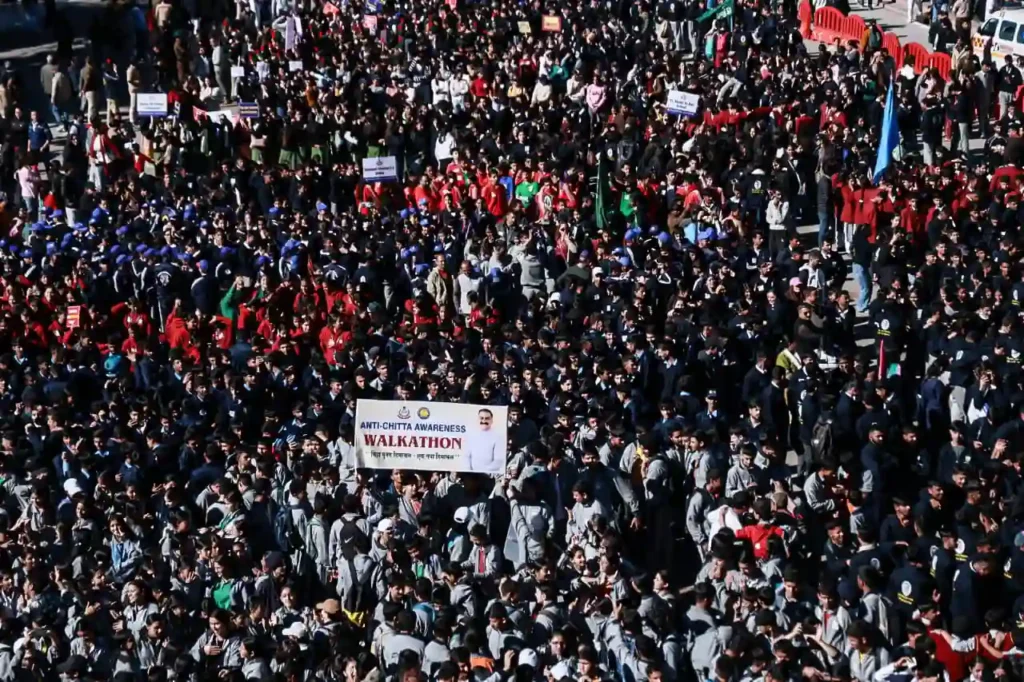
Recognising the importance of public cooperation, Chief Minister Thakur Sukhvinder Singh Sukhu launched the Chitta Information Reward Scheme during an anti-chitta awareness walkathon in Dharamshala on December 1, 2025. The scheme provides cash rewards ranging from Rs. 10,000 to Rs. 10 lakh, depending on the quantity involved, while rewards exceeding Rs. 5 lakh have been specified for information concerning major drug networks. Citizens can share information through emergency helpline 112, with confidentiality for informants emphasised. The proposed Anti-Chitta Volunteer Team is also intended to strengthen coordination between police and local communities.
Prevention remains central to the campaign, particularly efforts to keep young people away from substance abuse. Through the Khelo Himachal–Chitta Mukt Himachal initiative, the government is encouraging youth participation in sports and constructive activities. Awareness walkathons in Shimla, Dharamshala, Hamirpur, Una and Bilaspur have also sought to mobilise communities and promote awareness about the harmful effects of drug abuse.
Alongside enforcement and awareness, the state is expanding treatment and rehabilitation services. Nav-Jeevan, the women’s de-addiction and rehabilitation centre at Mashobra, provides specialised care, including medical treatment, psychological counselling, accommodation and rehabilitation support. Another centre is planned at Dr. Rajendra Prasad Government Medical College, Tanda, while a modern 100-bed de-addiction and rehabilitation centre is being developed at Kotla Barog in Sirmaur district.
The establishment of the De-addiction Prevention and Rehabilitation Board is another step towards strengthening preventive measures and supporting the reintegration of people affected by substance dependence. District-level services aim to improve access to treatment, counselling and recovery support across Himachal Pradesh.
The long-term impact of these efforts will depend on effective implementation, coordination among departments, public trust and sustained support for affected individuals and their families. A drug-free society requires more than arrests and seizures; it also calls for prevention, accessible treatment, compassion and opportunities for recovery.
By bringing law enforcement, community participation, youth engagement and rehabilitation together, Himachal Pradesh is pursuing a broader response to the chitta challenge—one that seeks not only to curb drug trafficking but also to reduce its human and social costs.
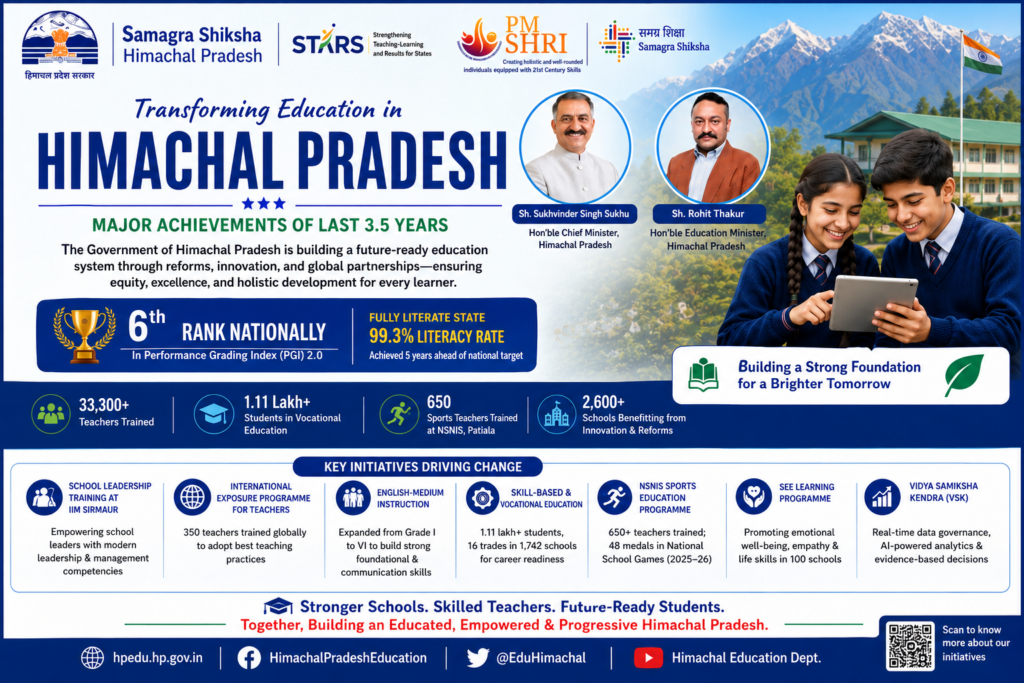
Samagra Sikhsha