
State Government strengthening Himachal’s road infrastructure through safety, sustainability and technology
Shimla Sept 27
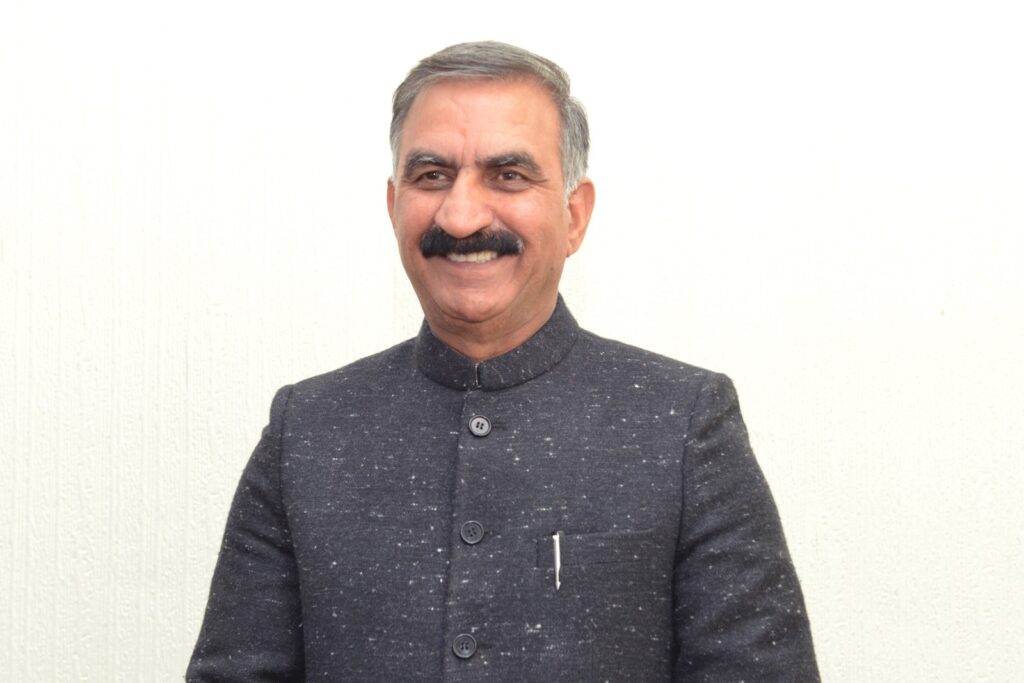
Under the leadership of Chief Minister Thakur Sukhvinder Singh Sukhu, the Himachal Pradesh Government is taking several steps to improve the State’s road infrastructure. The focus is not only on building new roads but also on making existing roads safer, stronger and more reliable.
Roads are especially important in Himachal Pradesh because they connect remote villages with markets, hospitals, schools and other essential services. They also support agriculture, horticulture, industry and forestry. As of 31 August 2026, Himachal Pradesh has 41,903 kilometres of motorable roads connecting 15,608 census villages. Maintaining such a large road network in difficult mountainous terrain is a major challenge.
Water is one of the main causes of road damage in hilly areas. To address this problem, the State Government approved the Road Drainage Policy in February 2026. The policy gives greater importance to proper drainage during road planning and construction. Drainage systems will be designed according to rainfall and the nature of the surrounding area. Special attention will be given to places prone to landslides and water seepage. Steps are also being taken to prevent the misuse or blockage of road drains so that roads remain in better condition for longer.
The Government has also notified guidelines for jeepable and ambulance link roads. These guidelines provide common standards for the construction and maintenance of smaller roads connecting remote areas. These cover important aspects such as road width, pavement, drainage, retaining and breast walls, slope protection and road safety. Better standards for these roads will help remote communities get more dependable access to hospitals, markets and other essential services.
Building roads is only one part of the task. Protecting existing road infrastructure is equally important. The Himachal Pradesh Road Infrastructure Protection (Amendment) Bill, 2026, passed by the State Assembly in September, provides for digital and geo-coordinated mapping of road infrastructure. It also aims to improve enforcement and help in the faster restoration of damaged road assets.
Technology is being used to improve the way roads are managed. A centralized Road Status Information System is being planned to provide information about road closures, restoration work and connectivity, especially during the monsoon and other disasters.
The Works and Accounts Management Information System (WAMIS) is also being introduced. It will bring measurements, billing and other works and accounts-related activities onto a common digital platform. This can make the management of public works more efficient and improve access to information.
Samagra Sikhsha