
Mandi’s E-Bus Success Story: Comfort for Passengers, Savings for HRTC
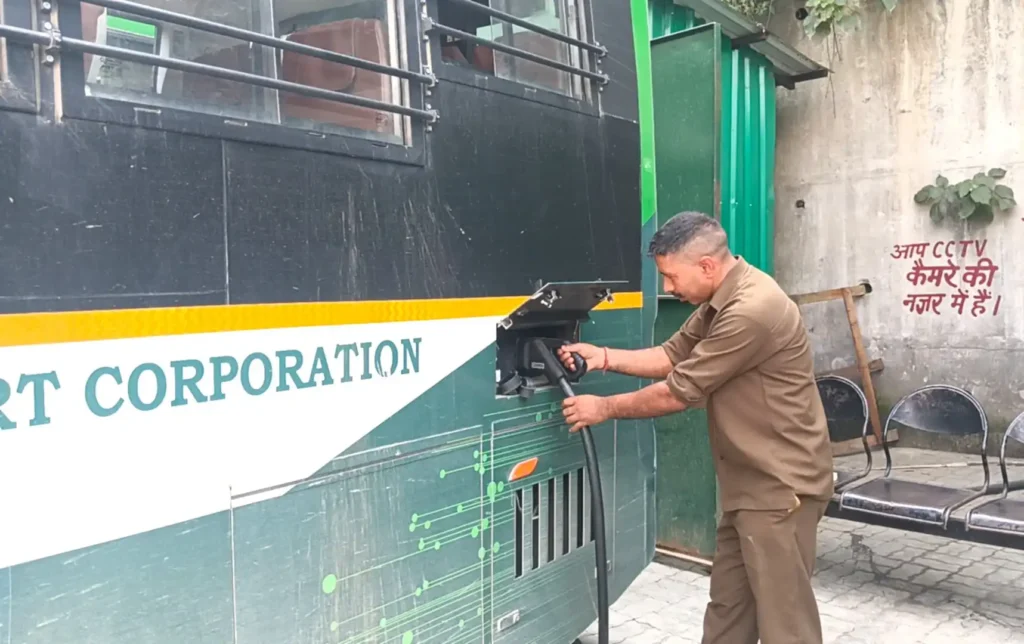
Mandi, September 20, 2026: A greener and quieter public transport experience is taking shape in Mandi, where HRTC’s new electric buses are combining passenger comfort with significant operational savings. With 25 e-buses now serving important routes across the district, the initiative is emerging as a notable success in the shift towards clean and sustainable public transport.
The electric buses, dedicated virtually to Mandi district by Chief Minister Thakur Sukhvinder Singh Sukhu on August 17, are now operating on both long-distance and local routes, including Mandi-Shimla, Mandi-Palampur, Mandi-Chandigarh, Mandi-Tulah, Mandi-Sundernagar, Mandi-Durgapur and several other routes.
For passengers, the biggest difference is the smoother and quieter journey. Inder Thakur of Jwalapur, who travelled from Mandi to Shimla, described the experience as comfortable and appreciated the government’s move towards environmentally friendly transport. Vanshika Jamwal, who travelled on the Mandi-Durgapur route, said the journey was pleasant and the seating was more comfortable than in conventional buses. Jaswant Kumar, who travelled from Mandi to Tulah, particularly appreciated the quiet ride, while Kiran Rana of Kotli said the comfortable seating had improved the overall travel experience.
The benefits are equally visible in HRTC’s finances. Between August 17 and September 10, the Mandi and Sundernagar units together recorded savings of Rs 19.31 lakh compared with the estimated cost of operating diesel buses over the same distances.
At the Mandi depot, 15 electric buses covered 60,060 kilometres during the period, with charging costing Rs 7,95,795. The estimated diesel cost for the same distance would have been Rs 19,30,055, resulting in savings of Rs 11,34,260.
The Sundernagar unit added another Rs 7,97,695 in savings. Its 10 electric buses covered 35,044 kilometres, consuming electricity worth Rs 2,10,037 for charging, compared with an estimated diesel expenditure of Rs 10,07,732.
According to HRTC Divisional Manager Uttam Singh, the figures underline the operational potential of electric mobility, with electricity costs significantly lower than diesel expenditure. The buses are also helping reduce dependence on fossil fuels and support cleaner public transport.
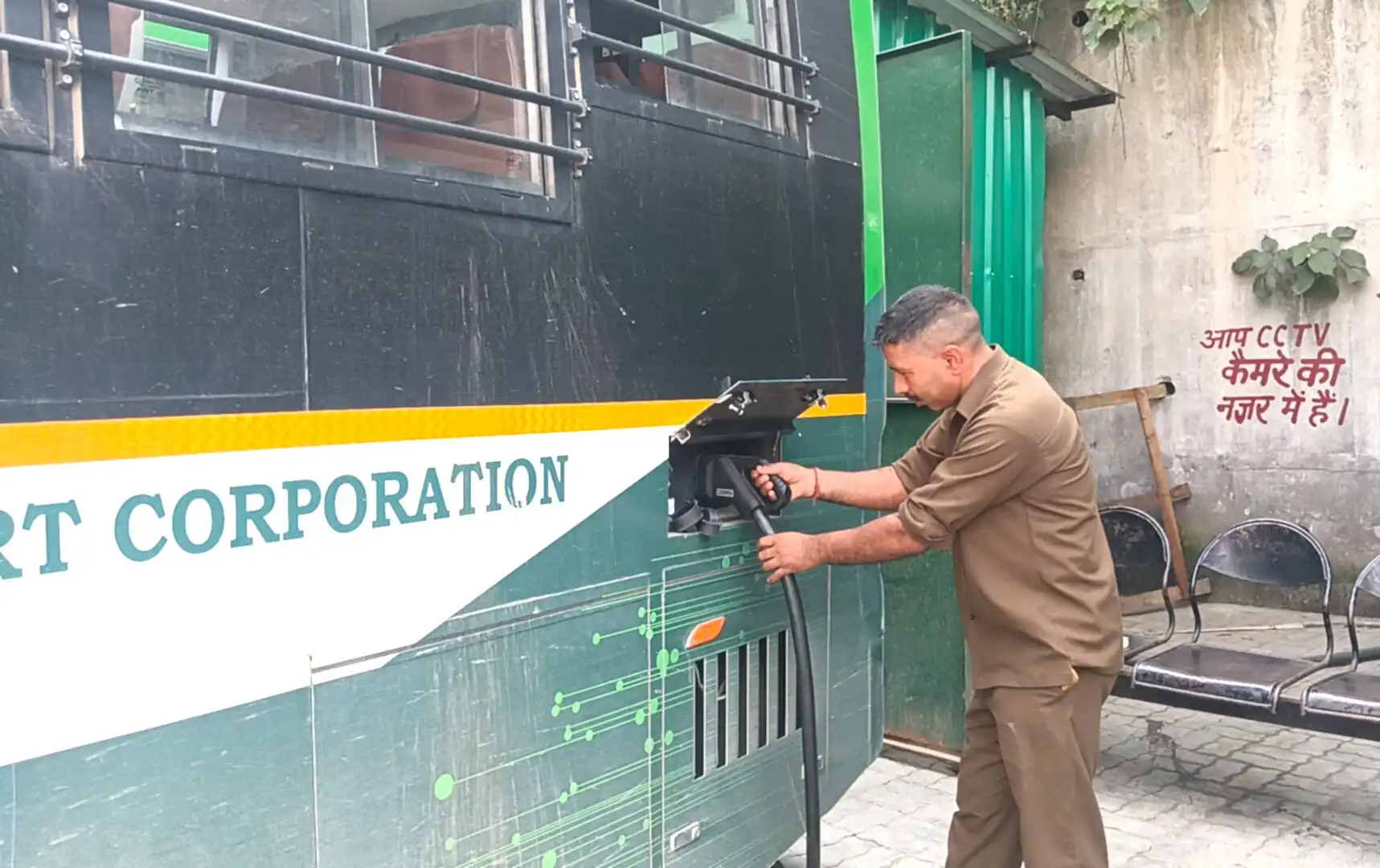
The transition is being supported by an expanding charging network. Charging stations have already been established at Mandi Bus Stand, Mandi Workshop and Sundernagar Bus Stand, while a facility has been proposed at Janjehli.
With quieter journeys for passengers, lower operating costs for HRTC and reduced environmental impact, Mandi’s electric bus initiative is demonstrating how public transport can become both more sustainable and more efficient. As the electric fleet expands, the experience in Mandi could provide a strong foundation for the wider adoption of clean mobility across Himachal Pradesh.
Samagra Sikhsha