
Himachal takes lead in development of tribal areas
19 July, 2026
Development in Himachal Pradesh’s tribal regions presents unique administrative and logistical challenges. Spreading across the high-altitude districts and sub-divisions of Lahaul-Spiti, Kinnaur, Pangi and Bharmour, these areas are characterized by sparse population, difficult terrain and prolonged winters that affect connectivity and service delivery. Recognizing these challenges, the state government under the leadership of Chief Minister Thakur Sukhvinder Singh Sukhu has continued to prioritize tribal development through focused investments in education, healthcare, infrastructure, livelihoods and social welfare.
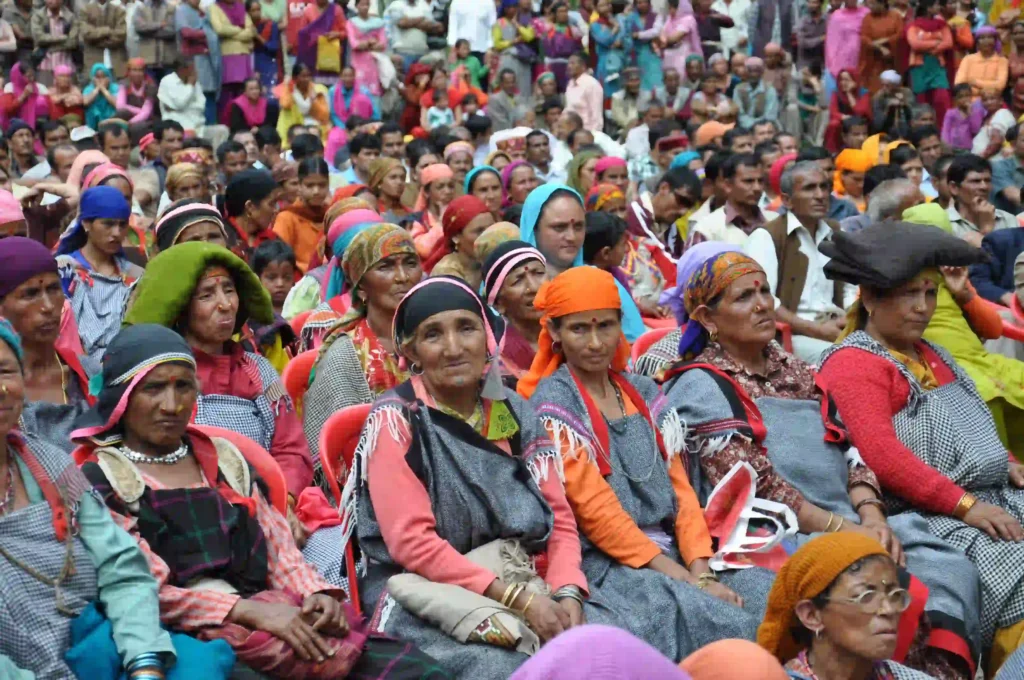
Scheduled areas comprise 42.49 percent of Himachal Pradesh’s geographical area but are home to only 3.92 lakh people, representing 5.71 percent of the State’s population. Population density in these regions stands at just seven persons per square kilometre against the state average of 123. Despite these constraints, the state government has achieved hundred percent electrification and safe drinking water coverage in all permanent and seasonal tribal habitations. The tribal population also records a favourable sex ratio of 1,018 females per 1,000 males compared to the state average of 972.
The State Government continues to earmark nine percent of its annual development outlay under the Tribal Sub Plan (STP), significantly higher than the Scheduled Tribe population share. During 2024-25, Rs. 890.28 crore was allocated under STP, while Rs. 638.73 crore has been provided under the Scheduled Tribe Component for 2025-26.
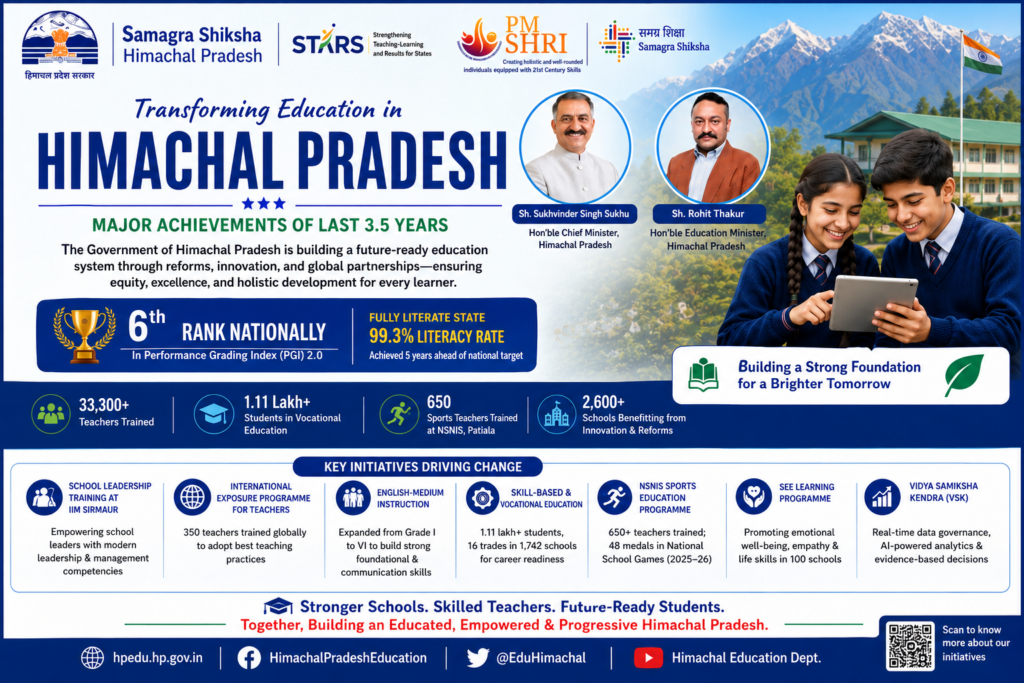
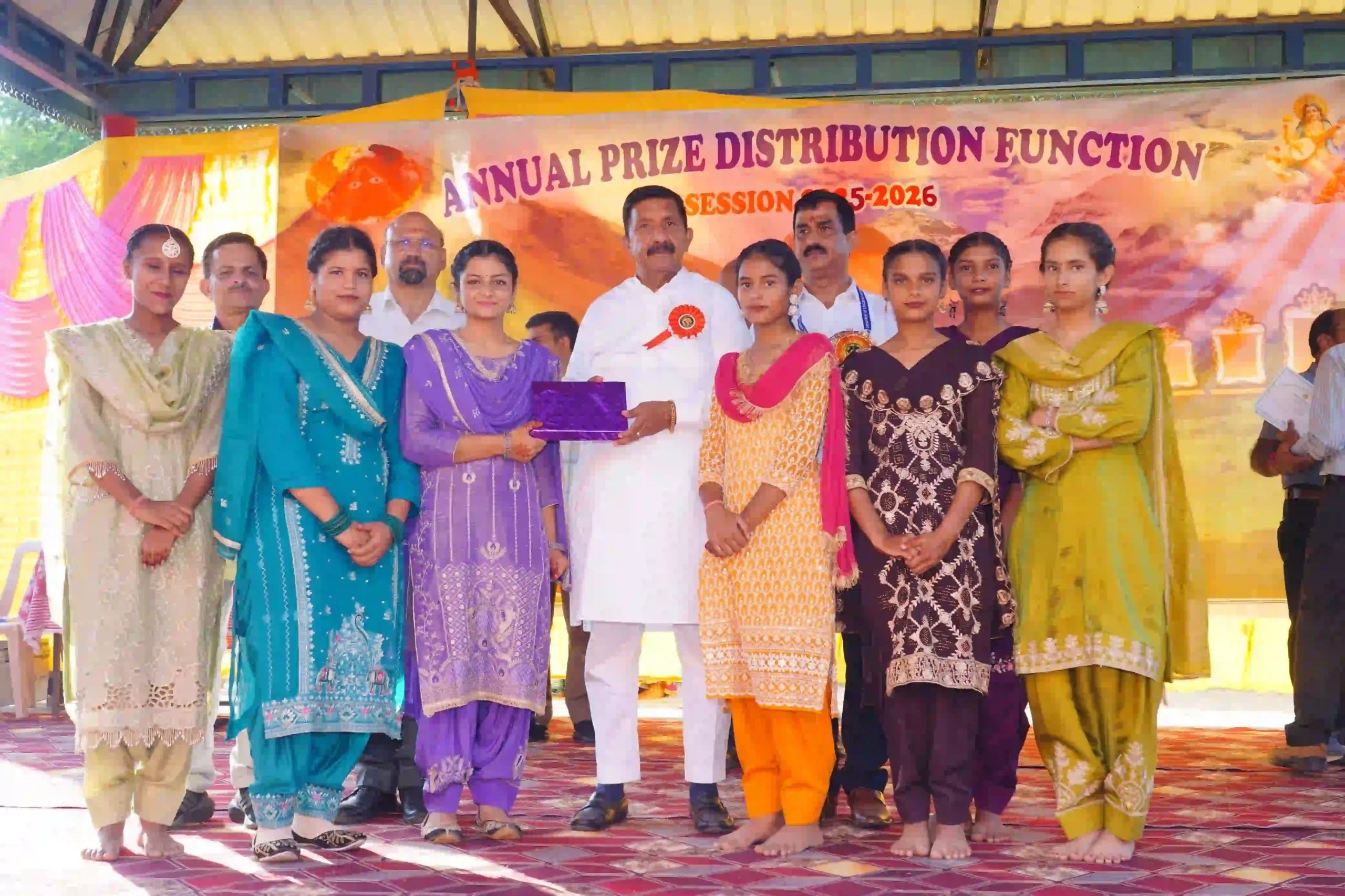
Education remains a key priority of the present state government. During 2025-26, 3,361 tribal students were benefited under the pre-matric scholarship scheme, 5,693 received post-matric scholarships and 304 received merit scholarships. Four Eklavya Model Residential Schools with an enrolment of 1,008 students continue to produce outstanding results, with students securing admission to IITs, medical colleges, IISER and other premier institutions. Educational infrastructure is also being strengthened through hostels, classrooms, libraries and teacher accommodation in the tribal areas.
Samagra Sikhsha