
Editorial: When Did Provocation Become the New Invitation to Read?
Shimla, June 25 Ritanjali Hastir
There was a time when a book found its reader through the strength of its words. Today, one wonders whether it must first compete for attention.
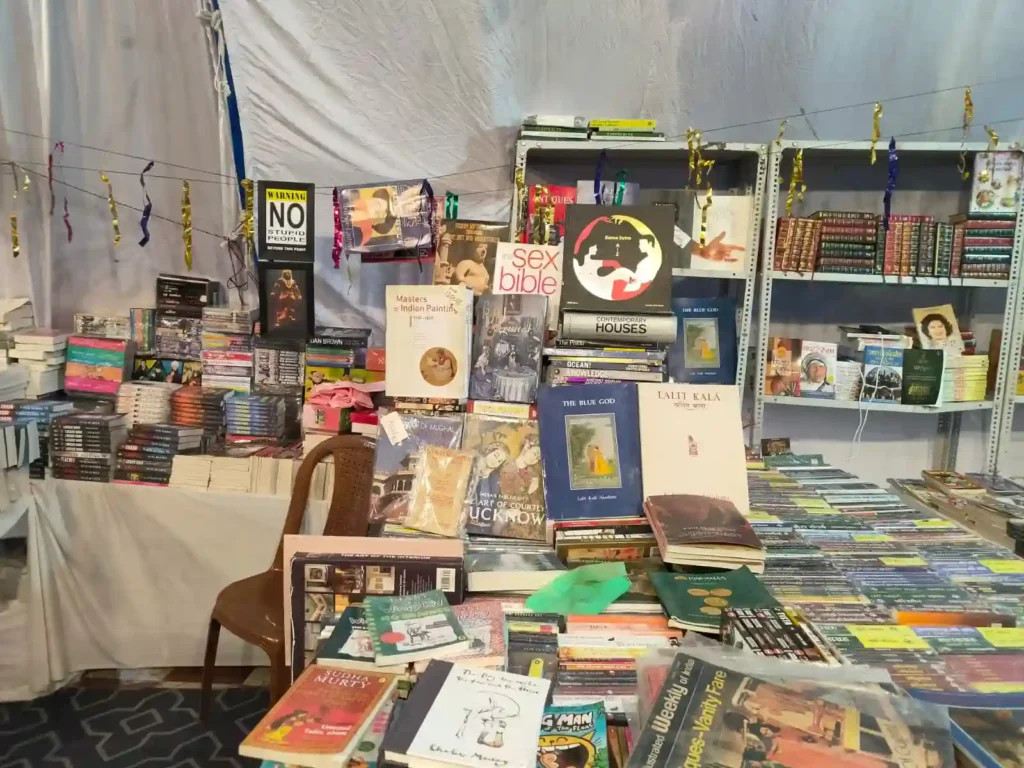
A walk through Shimla’s historic Mall recently presented a curious sight—a prominently displayed book whose title seemed designed less to invite reflection than to provoke a glance. The book itself is not the issue. Every serious reader knows that literature has always explored every aspect of the human condition, including those that make society uncomfortable. Such books have existed for centuries and have every right to exist.
But must they become the first thing that greets the eye in one of the country’s most cherished heritage spaces?
This is not a debate about censorship. It is a debate about context.
The Mall is more than a commercial street. It is a cultural memory. Every building, every façade, every promenade speaks of an era when public spaces carried a certain dignity. Families stroll here. Children discover books here. Visitors come seeking the character that has made Shimla timeless.
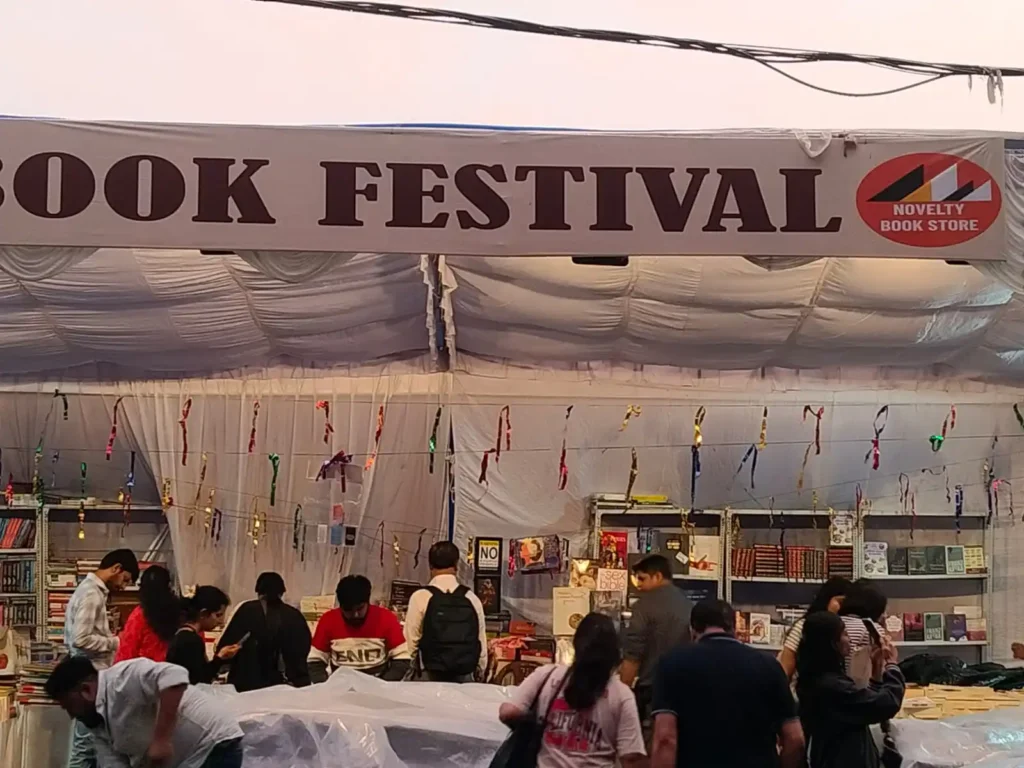
The Mall has witnessed more than a century of history. It has welcomed statesmen, scholars, artists, readers and countless visitors who admired not only its buildings but also its atmosphere. Heritage survives not only in stone façades but in the values reflected by the spaces between them.
One cannot ignore the symbolism when a deliberately provocative display stands amidst this heritage landscape, in close proximity to buildings that themselves represent centuries of architectural and cultural history.
Perhaps the larger question is this: Have we reached a point where even books must rely on shock value before they are noticed?
If so, what does that say about us—not as readers, but as a society?
Marketing may attract attention. Heritage asks for restraint. Commerce seeks visibility. Culture often finds strength in discretion. The challenge lies in knowing where one ends and the other begins.
A city does not lose its character overnight. It changes quietly, one acceptable compromise at a time, until one day we realise that the space still looks the same, but somehow no longer feels the same.
If every public space begins to resemble every other marketplace, then what exactly are we preserving?
Perhaps the question before Shimla is not whether a provocative title belongs on a bookshelf.
It is whether, in our eagerness to capture attention, we are slowly allowing one of India’s finest heritage spaces to lose the very character that made it worth preserving in the first place.
Samagra Sikhsha