
PEHEL Project to transform pastoral livelihoods in Himachal Pradesh
3 min read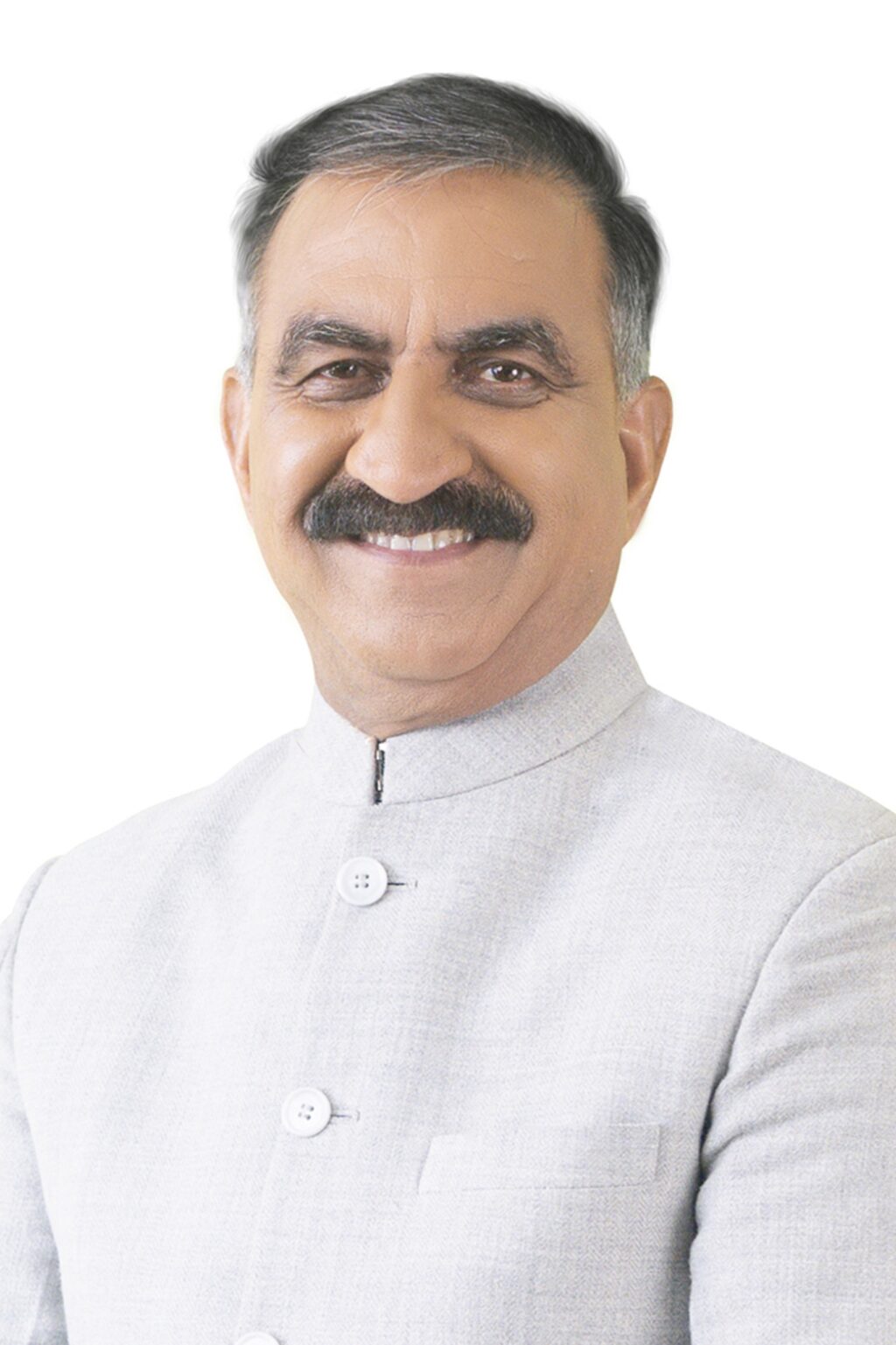
SHIMLA 16 January, 2026
Government advances ‘Vyavastha Parivartan’ vision with an comprehensive initiative for sustainable livelihoods of Pastorals: CM
Guided by the transformative vision of “Vyavastha Parivartan” articulated by Chief Minister Thakur Sukhvinder Singh Sukhu, the present State Government has embarked on sustained and strategic efforts to ensure the growth, resilience and long-term sustainability of the State’s pastoralist community. Recognizing pastoralists as a vital pillar of the rural and mountain economy, the government is pursuing systemic reforms to ensure inclusive development for traditional communities.
In furtherance of this vision, the Government has approved an ambitious project titled “Sustainable Small Ruminant and Empowered Himalayan Shepherds under Pastoralists Employment in Himalayan Ecosystems for Livelihoods (PEHEL)”. The PEHEL project reflects the core ethos of ‘Vyavastha Parivartan’ by integrating livelihood security with ecological conservation, modernization of pastoral practices, preservation of indigenous breeds and the creation of robust market linkages to ensure sustainable and resilient incomes for pastoral households.
The Chief Minister stated that the objective of the project was to secure livelihoods, strengthen the rural economy, preserve ecological balance in high-altitude regions, modernize traditional pastoral systems and conserve indigenous small ruminant breeds. He emphasized that Himachal, with its substantial population of migratory sheep and goat herders, stands to benefit immensely from a focused and forward-looking Small Ruminant Development Policy.
The project proposal envisions comprehensive breed improvement through the introduction of superior germplasm and the establishment of farms modeled on advanced sheep and goat rearing practices. To enhance productivity and economic sustainability, the government plans to integrate modern technologies such as digital registration of livestock, structured cross-breeding, genetic improvement programmes, artificial insemination and mobile veterinary services.
Special emphasis will be placed on the preservation, propagation, and strengthening of indigenous breeds such as Gaddi sheep and goats, Rampur Bushari sheep and Chegu goats, ensuring the conservation of their genetic diversity and their natural adaptation to the Himalayan ecosystem.
Recognizing the critical importance of assured market access, the government will develop adequate infrastructure for marketing pastoral products including wool, goat milk, butter, and meat with measures such as certification of wool quality standards, promotion mechanisms etc to enhance returns for pastoralists. The policy also includes financial incentives, insurance coverage, and social security measures, with special provisions for pastoralists safeguarding sensitive border areas.
Chief Minister said that pastoralists, breeders and youth would be empowered through targeted training programmes, awareness campaigns and extension services to promote best practices and encourage entrepreneurship.
A major digital initiative under the project is the ‘Bhed Bakri Owners Digital Herd Identification (BODHI)’, which will use a web platform and mobile application to ensure accurate breeder profiling, livestock ownership records, and mapping of migratory routes.
The project also introduces GENETIC-led animal upliftment and resilience initiatives, adopting a dual breeding strategy to strengthen both migratory and stationary sheep populations estimated at around 6.4 lakh in the State. For migratory flocks, particularly Gaddi sheep, structured cross-breeding with Merino and Rambouillet breeds will be undertaken.
Reaffirming the government’s commitment, the Chief Minister has directed the Forest Department to refrain from interfering with the customary grazing rights of the Gaddi community. He also announced that the government was considering an increase in the Minimum Support Price for wool in the forthcoming State Budget to further strengthen pastoral livelihoods.
Summing up, the Chief Minister stated that the PEHEL project aims to build a sustainable, resilient and remunerative small ruminant sector in Himachal Pradesh, securing pastoral livelihoods, strengthening the rural economy, and preserving the fragile ecological balance of the State’s high-altitude regions, in true spirit of Vyavastha Parivartan.