
Chief Minister’s Spiti visit reflects commitment to tribal development
SHIMLA 15 October, 2026
• Government’s new initiatives to speed-up development processes in Spiti
Chief Minister Thakur Sukhvinder Singh Sukhu’s two-day visit to Kaza in Spiti aimed to unlock new development opportunities in this remote tribal region of the state and gain a better understanding of the challenges faced by local residents. It went beyond announcing development projects, bringing together public engagement and a broad vision for improving education and healthcare, strengthening electricity supplies, promoting tourism and creating employment opportunities for local youth.
During the visit, the Chief Minister inaugurated and laid the foundation stones for various development projects worth Rs. 116.28 crore in Spiti’s remote and strategically important border areas.
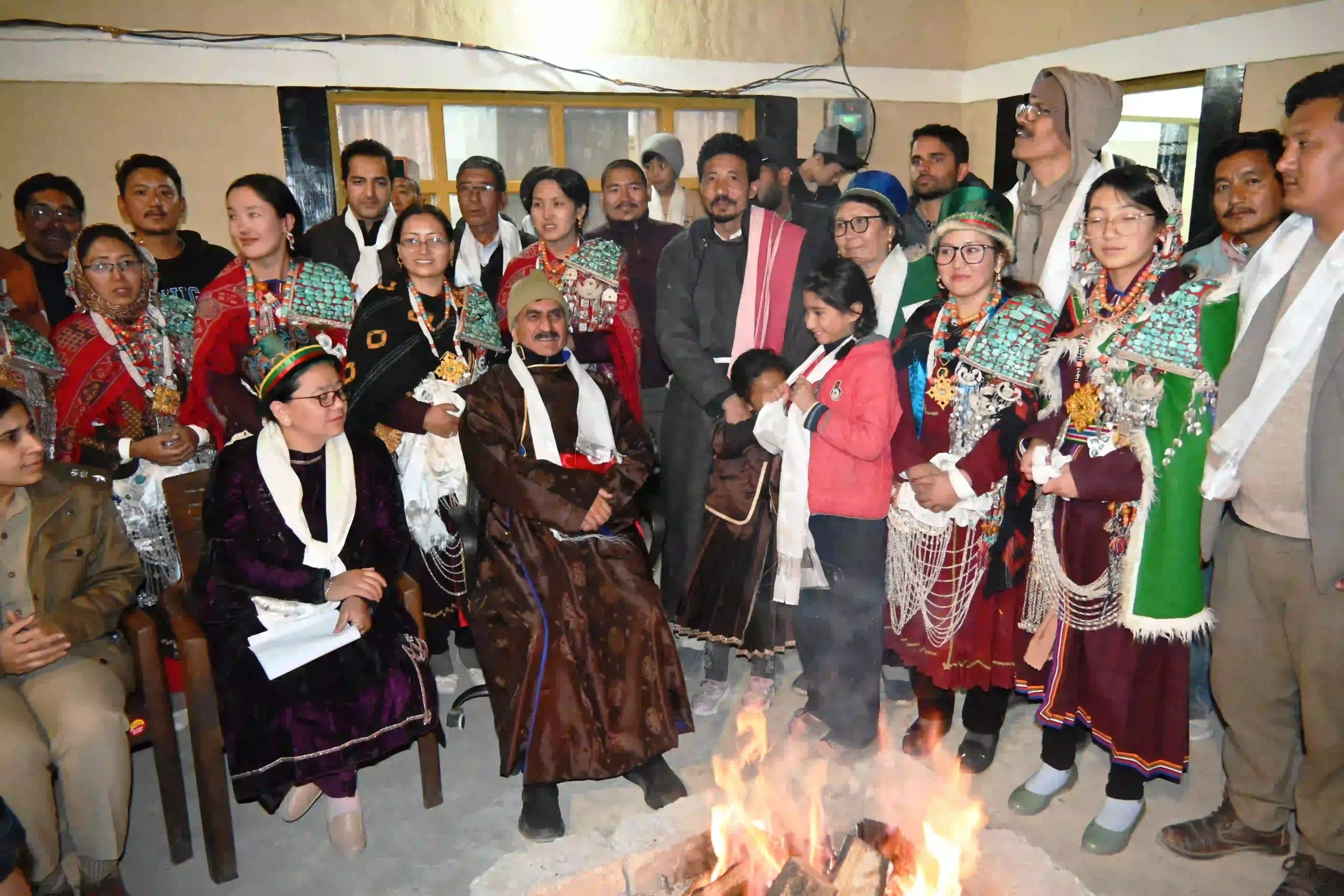
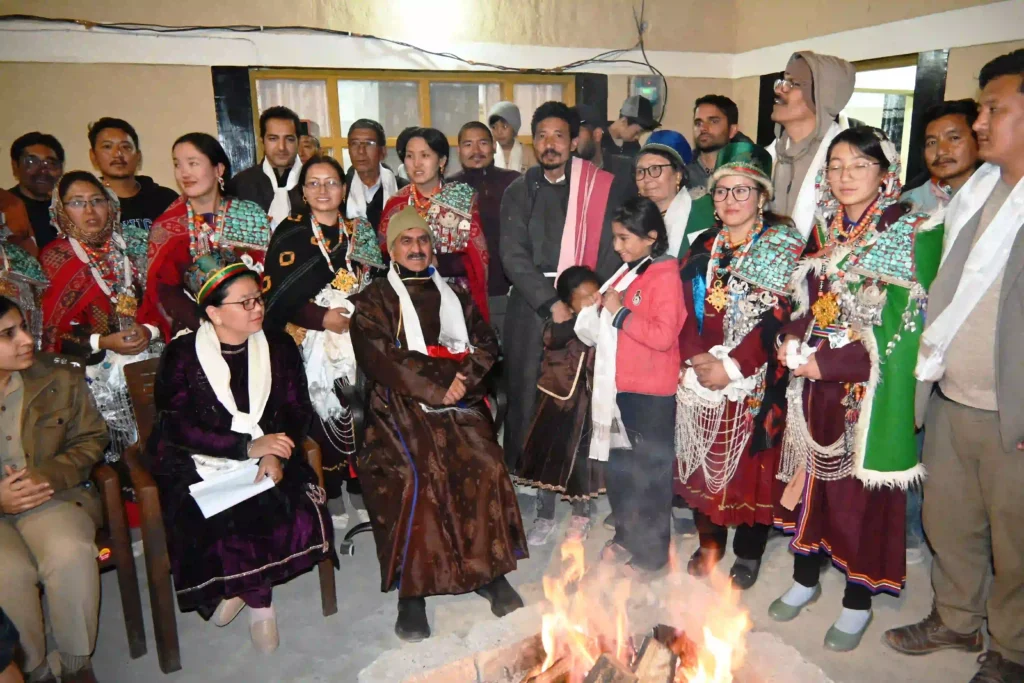
As part of the state government’s ambitious ‘Sarkar Gaon Ke Dwar’ programme, he stayed overnight in Rangrik village in the Spiti Valley. During his stay, he listened to people’s grievances at Manjushree and directed officials to take the necessary steps to address them. He also announced Rs. 2 crore for the construction of a new girl’s hostel and declared that the health sub-centre at Rangrik would be upgraded to a Primary Health Centre.
Strong focus on connectivity and energy security
One of the most significant announcements for Spiti’s development was the announcement that a survey would be conducted and a Detailed Project Report (DPR) prepared for a tunnel beneath Kunzum Pass. The Chief Minister said that the state government was making efforts to take the tunnel project forward.
Given the region’s challenging terrain and harsh weather conditions, improved road connectivity could prove vital for tourism, trade, emergency services and local livelihoods.
Another major milestone was the inauguration of Himachal Pradesh’s first battery-storage-based solar power plant at Rongtong in the Spiti Valley. The plant is expected to generate approximately 3.6 million units of electricity every year.
The Chief Minister also laid the foundation stones for 66/22 kV electrical substations at Samdo in Kinnaur district and Kaza, to be built at a cost of Rs. 47.95 crore. The Samdo–Kaza transmission line is targeted for completion within three years, with an estimated investment of around Rs. 350 crore.
The Chief Minister made it clear that the state government was working towards a lasting solution to Spiti’s electricity problems.
When he visited Kaza on 15 April 2023 for the state-level Himachal Day celebrations, local residents had raised concerns about unreliable electricity supplies. The Chief Minister had assured them that steps would be taken to resolve the issue, and tangible progress is now becoming visible.
A reliable electricity supply in Spiti is about much more than meeting household needs. It is directly linked to education, healthcare, tourism, winter sports and local businesses. A more dependable power supply will give students a better environment for studying, improve the functioning of healthcare facilities and support tourism-related activities.
The Chief Minister also announced that the state government planned to spend Rs. 500 crore on Spiti’s development in the coming period. This proposed investment underlines the government’s aim to expand essential infrastructure and improve the economic well-being of local communities.
New livelihood opportunities through natural farming and tourism
The announcement to develop Spiti Valley as a natural farming area was another important highlight of the Chief Minister’s visit. Promoting natural farming could help preserve traditional agricultural practices, protect the environment and create more sustainable livelihood opportunities for local people.
The Chief Minister also assured that a survey would be conducted to explore the construction of a heliport at Kaza. This could give tourism a boost while improving connectivity, particularly during emergencies when quick access to remote areas is essential.
The Chief Minister’s visit to the CBSE school in Kaza was another important and student-focused aspect of the tour. During his interaction with students, he listened to the academic and residential concerns of the students and assured them that the necessary facilities would be provided.
He announced that moral education would be introduced from the next academic session, with a curriculum currently being prepared for the purpose. He also welcomed the students’ suggestion to include environmental studies in the curriculum. Emphasizing the importance of protecting nature, he said that human life could remain safe only if the environment was protected.
The Chief Minister also said that the possibility of opening a college in Kaza would be explored. In addition, he assured students that positive steps would be taken to provide special coaching facilities for students from Spiti and introduce skill-training courses.
He further stated that the government would consider introducing specialised training programmes related to tourism. Such initiatives could equip local young people with practical, job-oriented skills suited to the region’s unique conditions and employment needs. By expanding access to education and vocational training, these measures could help young people build careers closer to home while contributing to the region’s economy.
In a remote region such as Spiti, access to healthcare is directly linked to quality of life. Long distances and difficult travel conditions can make it challenging for residents to obtain specialist medical advice when they need it. Recognising this concern, the Chief Minister announced the appointment of a gynaecologist and a specialist (medicine) at Kaza.
These appointments would help local residents access specialist consultations closer to home, reducing the need to travel long distances for medical care.
Samagra Sikhsha