
CBSE Transformation Opens New Horizons for Students in Shimla’s Government Schools
Quality education reaches rural classrooms as Himachal strengthens its school system
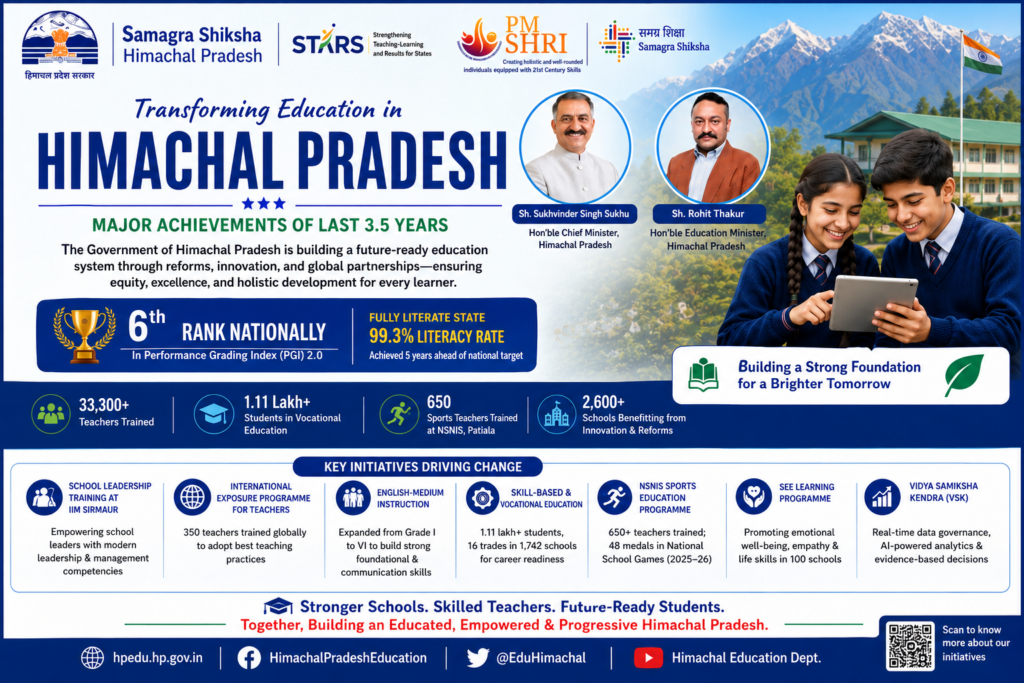
Shimla, June 21: A major transformation is underway in Himachal Pradesh’s education sector as government schools across the state transition to the CBSE curriculum, a move aimed at aligning students with national academic standards and expanding their opportunities in higher education and competitive examinations.
In Shimla district, 24 government schools have been brought under the CBSE framework as part of the state government’s wider initiative to modernize public education. The reform seeks to bridge the gap between urban and rural educational opportunities by providing students in remote areas access to the same curriculum, learning methods and academic exposure available in leading schools across the country.
Educationists believe that the shift will better prepare students for national-level entrance examinations such as JEE, NEET and CUET, which largely follow CBSE-oriented concepts and assessment patterns. The curriculum places greater emphasis on conceptual understanding, analytical thinking, problem-solving skills and practical learning, moving beyond rote memorization.
Schools included in the initiative span various parts of Shimla district, including Chopal, Nerwa, Deha, Rohru, Rampur, Kumarsain, Theog, Jubbal, Kotkhai, Sunni, Shoghi, Ghanahatti, Chhota Shimla and Portmore, among others. The inclusion of schools from rural and mountainous regions is expected to particularly benefit students who previously had limited access to national-level educational resources.
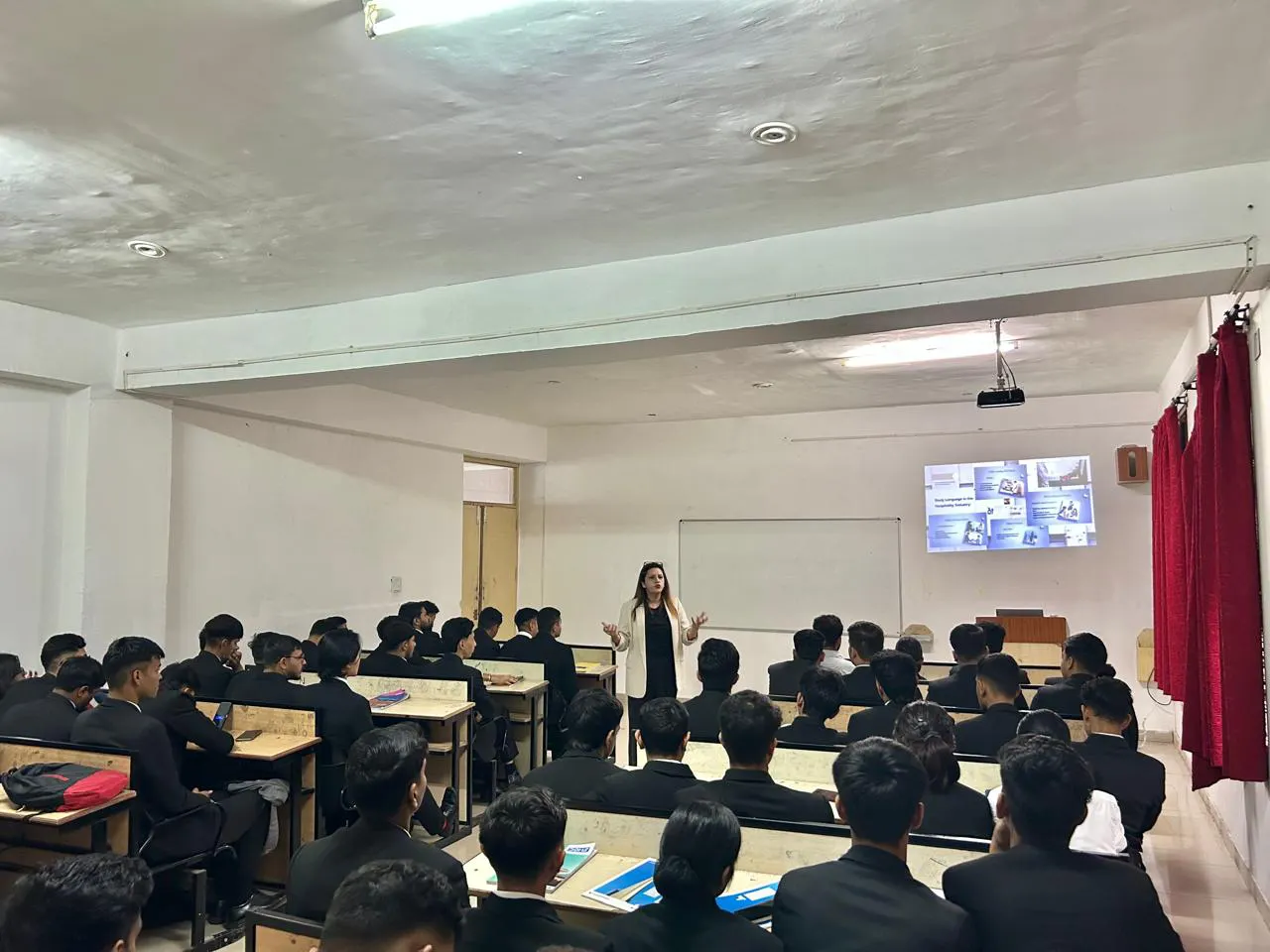
The reform is also accompanied by a stronger focus on digital learning, project-based education, science laboratories and skill development. Along with academic improvement, CBSE schools emphasize communication skills, information technology, sports, arts and life skills, contributing to students’ overall personality development.
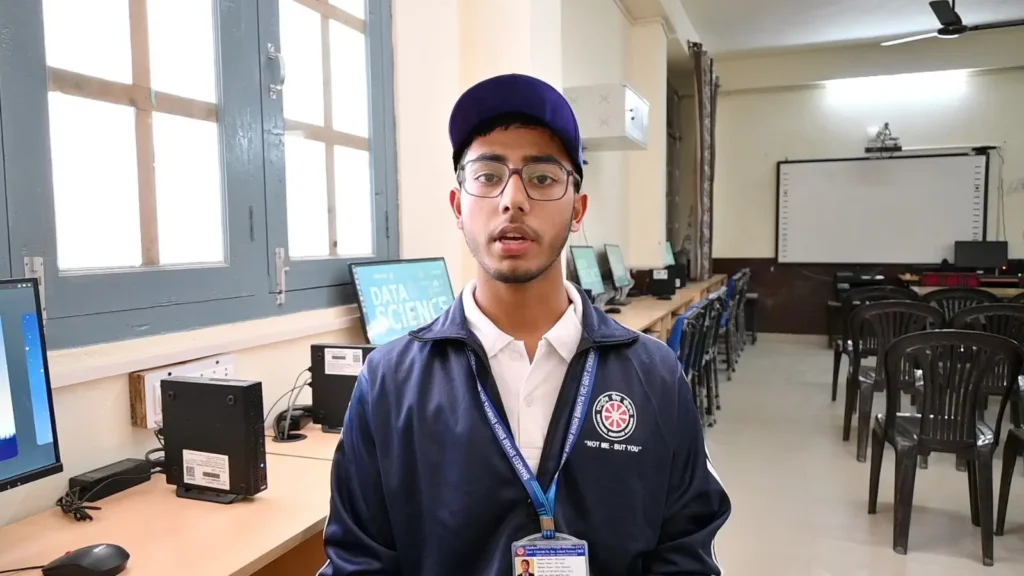
Students have welcomed the change. Navya and Priyadarshini, Class XI students from PM Shri Government Model Senior Secondary School, Rohru, said the CBSE pattern has helped create a more level playing field between students from government and private schools while improving preparation for competitive examinations. Another student, Sakshi, believes the curriculum promotes logical thinking and conceptual learning, which will prove beneficial in future academic and career pursuits.
At PM Shri Government Model Senior Secondary School, Rampur Bushahr, students Prashant Shukla and Kritika Singh Thakur said the transition has provided greater exposure to national-level educational opportunities and competitions, helping them develop academically and personally.
Students from Government Excellent Senior Secondary School, Nerwa, highlighted another significant advantage—the introduction of new subject choices. Divyansh Mehta noted that the CBSE affiliation is particularly beneficial for students from remote areas who may not be able to afford private education but possess strong academic potential. Ayati Sood added that the new curriculum has brought additional subjects and opportunities that were previously unavailable, enabling students from surrounding rural regions to access broader educational pathways.
School leaders have also expressed optimism. Ajit Verma, Principal of PM Shri Government Model Senior Secondary School, Rohru, described the transition as a significant step toward strengthening government education and creating equal opportunities for students from all backgrounds. He emphasized the need for continued investment in teachers, infrastructure and modern learning tools to fully realize the benefits of the reform.
As Himachal Pradesh continues to expand CBSE affiliation across government schools, the initiative is being viewed as a long-term investment in educational quality, student competitiveness and social equity. For thousands of students in Shimla district, particularly those from rural and economically weaker backgrounds, the transition represents not merely a change in curriculum but a gateway to wider opportunities and a stronger academic future.
Samagra Sikhsha